
Every time you pat, slather, or massage a product onto your skin, you’re trusting it to nourish—not harm. But not all that glitter in a glass bottle is gold. Some ingredients—once industry darlings—are now under the scanner for causing irritation, hormonal disruption, or long-term damage.
In this blog, we become your skincare ingredient checker so you know what to look for on your labels—especially if you care about clean, conscious skincare.
Highlights
- Why “Clean” Skincare Isn’t Just a Trend?
- 7 Toxic Skincare Ingredients to Skip
- How to Read a Skincare Label Like a Pro?
- Key Takeaway
- FAQ’s
Why “Clean” Skincare Isn’t Just a Trend?
“Clean” skincare isn’t just an aesthetic—it’s about cutting out ingredients that disrupt your skin barrier, your hormones, or your long-term health. Many traditional formulations still use cheap, irritating, or under-researched chemicals.
If you’re dealing with mystery breakouts, sensitivity, or just want peace of mind about what goes on in your body daily, reading your ingredient list is no longer optional—it’s survival.
7 Toxic Skincare Ingredients to Skip
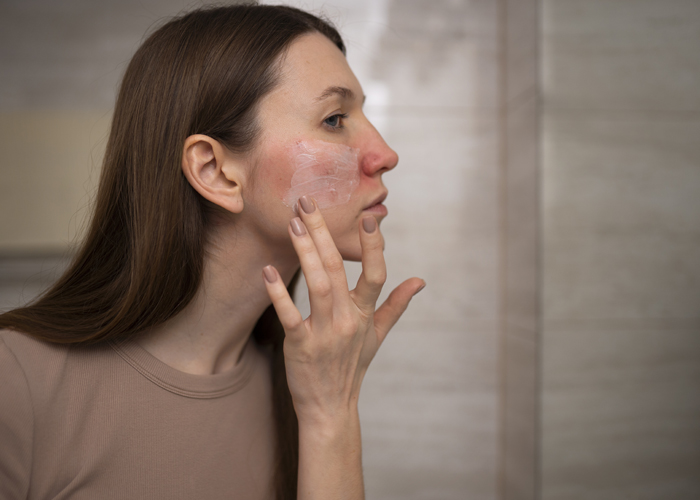
Not all skincare ingredients are as safe as they seem. Some can irritate your skin, mess with your hormones, or build up in your body over time. Here are 8 toxic ingredients worth avoiding.
1. Parabens
These synthetic preservatives are used to prolong shelf life—but at what cost?
- Parabens can mimic estrogen, disrupting hormones and reducing fertility over time.
- Linked to carcinogenesis, obesity, and skin irritation, parabens raise serious health concerns.
Swap it with: Phenoxyethanol — a gentler, non-estrogenic preservative.
2. Sodium Lauryl Sulfate (SLS)
Used in face washes and shampoos for that foamy satisfaction.
- SLS damages the skin barrier, leading to increased dehydration and dryness.
- It disrupts the skin’s microbiome, triggering bacterial imbalance and potential irritation.
Choose instead: Coco-glucoside, decyl glucoside—milder surfactants from coconut and sugar. SLS-free skincare is the way to go.
3. Phthalates
These sneaky chemicals help fragrances last longer.
- Linked to endocrine disruption, affecting reproductive health
- Not always listed explicitly on ingredient lists
Your move: Avoid products with “fragrance” or “parfum” unless the full breakdown is available.
4. Formaldehyde
Used as preservatives—but known to release a carcinogen.
- Associated with allergic reactions and skin irritation
- Can cause scalp and skin inflammation over long-term use
Look for: Preservative systems like potassium sorbate or sodium benzoate.
5. Oxybenzone
Found in many chemical sunscreens.
- Absorbed through skin—detected in blood, breast milk, and urine
- Linked to hormonal disruption and allergic reactions
- Harmful to marine life and coral reefs
Choose safer: Mineral sunscreens with zinc oxide or titanium dioxide (reef-safe, broad-spectrum).
6. Denatured Alcohol
Used to make products feel weightless or dry quickly—but can be harsh.
- Disrupts the skin barrier, causing dehydration and sensitivity
- May increase oil production by stripping the skin
- Especially harmful for dry or aging skin
Better options: Fatty alcohols like cetyl or stearyl alcohol that moisturize.
7. Triclosan
Once popular in acne products and cleansers.
- Classified as a pesticide by the FDA
- May lead to antibiotic resistance
- Interferes with thyroid hormone metabolism
Skip entirely: There’s no benefit that outweighs the risk—gentler antibacterials like tea tree oil or salicylic acid are safer bets.
How to Read a Skincare Label Like a Pro?
Ever flipped a bottle and felt instantly overwhelmed? Ingredient lists can feel like chemistry homework—but a few simple tricks can help you see through the fluff and avoid harmful skincare ingredients.
What to look for:
- Ingredients are listed in descending order by concentration. The first 5–6 matter most.
- “Fragrance” or “Parfum” is a vague umbrella term that can hide allergens and phthalates.
- Look for transparent labeling—bonus points if it mentions pH balance, allergy-tested, or dermatologist-tested (with proof).
Pro tip: Less is often more. The shorter the list, the lower the risk of irritation.
Want something cleaner? Look for products labeled non-comedogenic, pH-balanced, and free of fragrance + parabens—that’s your gold standard.
Key Takeaway
Skincare should feel like self-care—not Russian roulette. While the industry still lags when it comes to banning risky ingredients, you have the power to choose better.
Being ingredient-savvy isn’t about fear—it’s about informed, intentional care. Swap the toxic for the tried-and-true. Invest in formulas that honor your skin, not compromise it.
Because healthy skin starts with smart choices—and you deserve products that love you back.
FAQ’s
1. Why do some products list “alcohol” but are still safe?
Not all alcohols are bad. Fatty alcohols like cetyl or stearyl are moisturizing and barrier-friendly. It’s the denatured alcohol and ethanol types you want to avoid in high concentrations.
2. How do I know if my product has formaldehyde releasers?
They often hide under names like DMDM hydantoin, imidazolidinyl urea, or quaternium-15. They’re not listed as “formaldehyde,” so spotting them requires scanning for these specific preservatives.
3. What if I don’t react to these ingredients—should I still avoid them?
Yes, especially for daily-use products. Some effects—like hormone disruption or bioaccumulation—happen silently over time, not overnight. Prevention now is easier than reversal later.