

A calm, comfortable scalp sets the tone for hair that looks and feels its best. When the scalp is balanced, everything else, from shine and strength to manageability, naturally falls into place. Yet scalp health is often overlooked, treated as an afterthought rather than the foundation of healthy hair.
Modern lifestyles, environmental exposure, frequent styling, and inconsistent product choices can quietly disrupt the scalp’s delicate balance. Over time, this imbalance may show up as itchiness, flakes, excess oil, dryness, or even hair fall due to scalp issues. These issues respond best to steady, thoughtful scalp care instead of quick solutions.
This guide brings together practical scalp care tips designed for everyday life, grounded in dermatology principles yet easy to follow. Each insight focuses on restoring harmony to the scalp by supporting its natural barrier, regulating sebum, and minimizing inflammation.
Along the way, you’ll discover how gentle, science-backed skincare approaches can elevate your scalp care routine, helping maintain long-term scalp health.
Highlights
- Understanding the Scalp and Its Impact on Hair Health
- Smart Scalp Tips for Lasting Balance
- Lifestyle Habits That Support Scalp Health
- Why Modern Scalp Care Is Skin Care
- Conclusion: Elevating Scalp Care to Everyday Wellness
- FAQs
Understanding the Scalp and Its Impact on Hair Health
The scalp functions similarly to facial skin but contains more oil glands and hair follicles, making its care uniquely important. When its environment is healthy, hair growth thrives. When it’s disrupted, concerns like flakes, irritation, excess oil, or hair fall due to scalp issues often follow.
A healthy scalp maintains:
- Optimal sebum balance
- Strong skin barrier function
- Minimal inflammation
- Clean, unclogged follicles
Daily habits, product choices, climate, and stress all influence this delicate ecosystem. That’s why building a mindful scalp care routine matters just as much as choosing the right hair products.
Smart Scalp Tips for Lasting Balance
Pro Tip 1: Cleanse with Purpose, Not Aggression
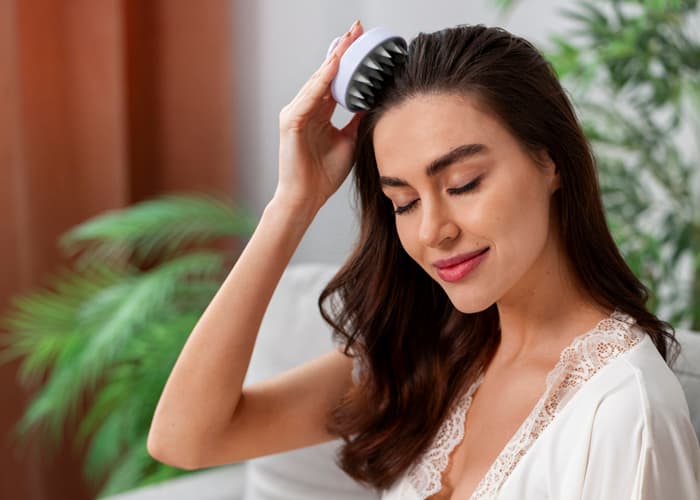
Healthy cleansing begins with respect for the scalp’s natural oils. Frequent washing or harsh products may weaken the scalp’s natural lipid layer, often resulting in dryness, sensitivity, or increased oil production.
A gentle scalp cleanser helps:
- Remove sweat, dirt, and scalp buildup
- Support scalp hygiene without disrupting the barrier
- Maintain the scalp’s natural pH
Look for mild surfactants and soothing ingredients. Cleansing two to three times a week works for most people, while oily scalp solutions may require more frequent but gentle washes.
Clean doesn’t mean squeaky. A balanced scalp feels calm, not tight.
Pro Tip 2: Decode Flakes Before Treating Them
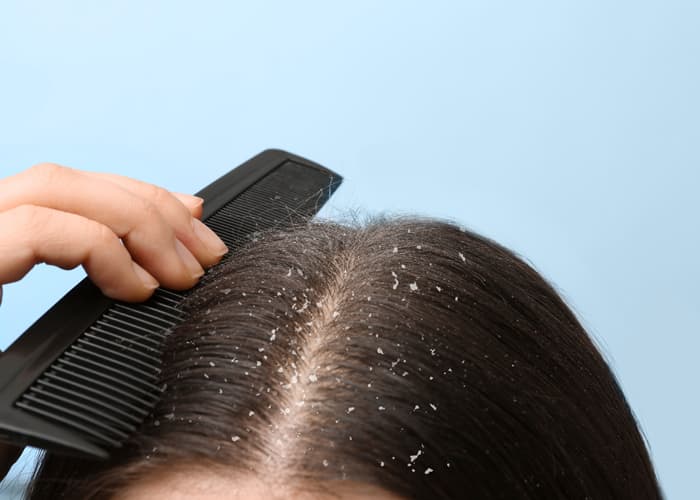
Flakes aren’t always dandruff. A clear understanding of the cause behind scalp flaking allows for more targeted care.
Dandruff vs Dry Scalp
- Dry scalp care: Fine, white flakes with tightness or itchiness
- Dandruff: Yellowish flakes, oiliness, and scalp inflammation
An itchy scalp treatment should match the root cause. Treating dryness with anti-dandruff shampoos overcomes the irritation, while ignoring dandruff can allow yeast imbalance to persist.
Observe your scalp’s texture, oil levels, and comfort after washing to guide treatment.
Pro Tip 3: Rebalance Oil Without Stripping

Excess oil isn’t a sign of poor hygiene; it often signals imbalance. The scalp relies on natural oil for protection, yet too much of it may clog follicles and affect scalp comfort.
Smart oily scalp solutions focus on:
- Regulating sebum, not eliminating it
- Using lightweight, non-comedogenic formulas
- Avoiding heavy oils directly on the scalp
Clay-based or botanical extracts can help refine oil while keeping the scalp comfortable.
When oil levels normalize, hair stays fresher longer without irritation.
Pro Tip 4: Exfoliate Gently to Reset the Scalp
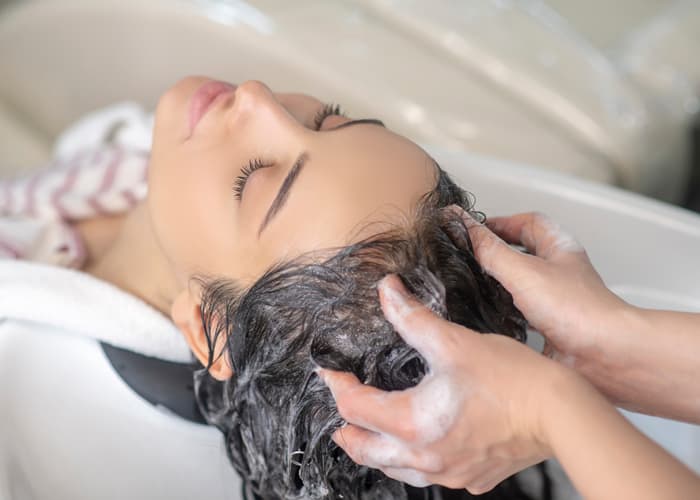
Just like facial skin, the scalp benefits from periodic exfoliation. Dead skin cells, styling residue, and pollution can accumulate, interfering with hair growth.
Scalp exfoliation helps:
- Improve oxygen flow to follicles
- Enhance scalp buildup removal
- Boost absorption of scalp treatments
Chemical exfoliants like mild AHAs or salicylic derivatives work well without friction. Once every 7–14 days is enough for most scalps.
Over-exfoliation can compromise barrier integrity and worsen sensitivity.
Pro Tip 5: Soothe Inflammation Before It Escalates
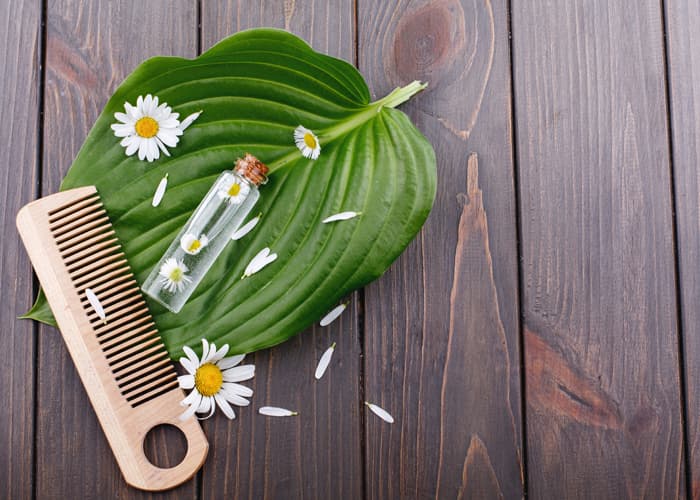
Redness, sensitivity, and persistent itching are signs of scalp inflammation. Left unchecked, inflammation can weaken follicles and contribute to hair thinning.
Calming ingredients to look for include:
- Panthenol
- Niacinamide
- Botanical anti-inflammatories
These support skin repair while restoring comfort.
Avoid scratching; even mild friction can perpetuate inflammation and delay healing.
Pro Tip 6: Feed the Scalp for Stronger Hair Growth

Hair strands reflect the health of the scalp beneath them. When follicles receive adequate nutrients and oxygen, hair growth improves naturally.
Effective scalp care for hair growth includes:
- Maintaining clean, unclogged follicles
- Supporting microcirculation with gentle massage
- Using targeted scalp serums
Hair fall due to scalp issues often improves when inflammation, buildup, and imbalance are addressed.
Results build gradually with regular, mindful care.
Pro Tip 7: Create a Sustainable Scalp Care Routine
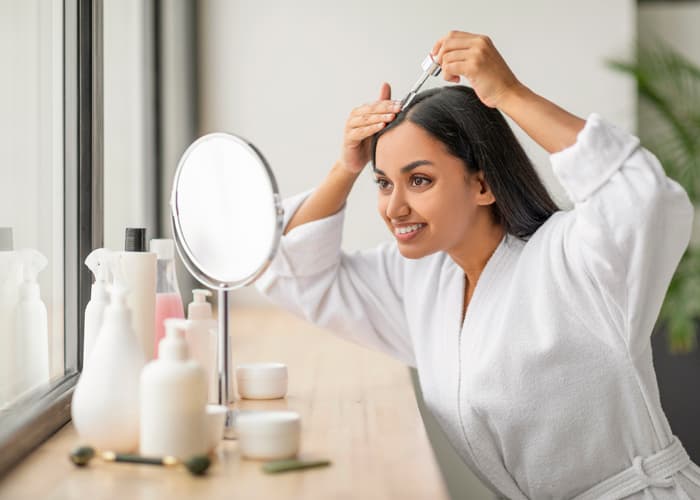
A balanced scalp thrives on consistency, not complexity. A simple, thoughtful scalp care routine keeps the ecosystem stable.
A minimal routine may include:
- Gentle cleansing 2–3 times weekly
- Weekly scalp exfoliation
- Lightweight scalp hydration
- Targeted treatments as needed
Seasonal changes, stress, and styling habits may require small adjustments, but the foundation stays the same.
Support long-term scalp health, not quick fixes.
Lifestyle Habits That Support Scalp Health
Topical care works best when paired with daily mindful habits that support scalp care for healthy hair by:
- Managing stress levels
- Eating a nutrient-rich diet
- Staying hydrated
- Limiting heat styling and tight hairstyles
Healthy routines inside and out contribute to visible results. Here’s a simplified overview of common scalp concerns and the care focus that helps restore scalp health.
Concern | Smart Focus |
| Itchiness | Calming, barrier-supporting care |
| Excess oil | Sebum-balancing cleansers |
| Dryness | Hydration + gentle cleansing |
| Flakes | Correct diagnosis + targeted treatment |
| Hair fall | Address inflammation & buildup |
Why Modern Scalp Care Is Skin Care

The scalp deserves the same respect as facial skin. Dermatologist-developed formulations prioritize:
- Skin compatibility
- Barrier repair
- Long-term balance
Thoughtful skincare philosophies now guide scalp formulations, bridging science with everyday comfort.
Conclusion: Elevating Scalp Care to Everyday Wellness
A healthy scalp is quiet, comfortable, and resilient. With the right scalp care tips, balance becomes achievable and sustainable. Gentle cleansing, mindful exfoliation, inflammation control, and consistent routines work together to create an environment where hair can truly flourish.
Modern, skin-first scalp solutions make it easier than ever to care for the scalp with intention and elegance. Exploring these formulations can be a meaningful step toward maintaining scalp health that supports strong, beautiful hair today and over time.
FAQs
1. What is the best way to have a healthy scalp?
A gentle cleansing, balanced hydration, and consistent care support the scalp’s natural barrier while keeping follicles clean and helping prevent irritation, flakes, and imbalance over time.
2. How to repair an unhealthy scalp?
Repairing an unhealthy scalp begins with identifying the root cause, whether dryness, excess oil, buildup, or inflammation. Switching to gentle, skin-friendly products and maintaining a simple, consistent routine allows the scalp to restore balance naturally.
3. What are the two most important requirements for scalp care?
The two most important requirements for scalp care are effective cleansing without stripping and maintaining barrier health. Together, they support sebum balance, reduce inflammation, and keep follicles clear and functional.
4. How do I balance my scalp?
Scalp balance is achieved by regulating oil production, preventing buildup, and calming inflammation. Using gentle cleansers, periodic exfoliation, and lightweight hydration helps maintain a stable scalp environment.
5. What vitamin deficiency causes scalp problems?
Low levels of nutrients like Vitamin D, Biotin (B7), and Vitamin B12 are often associated with various scalp concerns. These nutrients play a role in skin barrier health, follicle function, and overall scalp comfort.