

Waking up with puffy under eyes can instantly make you look tired, even after a good night’s rest. Under-eye puffiness and dark circles are familiar beauty problems that affect people across all ages and lifestyles.
The thin skin around the eyes easily shows small changes in circulation, hydration, and health. Puffy under eyes are not only caused by lack of sleep but also by allergies, hormonal changes, or genetics.
In this blog, we’ll break down the real reasons behind under-eye puffiness, explore dermatologist-recommended ingredients, and share practical tips to help you wake up looking refreshed and confident.
Highlights
- Common Reasons for Puffiness Under Eyes
- How to Reduce Puffiness Under Eyes Effectively
- Key Ingredients That Work Wonders
- Lifestyle Habits to Prevent Puffy Under Eyes
- When to Seek Professional Help
- Takeaway
- FAQs
Common Reasons for Puffiness Under Eyes

Ever wonder why your eyes look puffy even after a full night’s sleep? The truth is, under-eye puffiness can be triggered by a mix of lifestyle habits, health factors, and even your genes. Here are some common reasons:
- Fluid Retention: Too much salt or alcohol can lead to swelling.
- Lack of Sleep: Poor rest makes skin appear dull, emphasizing puffiness and dark circles.
- Allergies: The thin, delicate skin of the eyelids makes this area especially vulnerable to swelling and inflammation, causing allergic reactions.
- Aging: As we age, fat deposits naturally shift, making puffiness more visible.
- Genetics: Sometimes, the reason for puffiness under the eyes simply runs in your family.
How to Reduce Puffiness Under Eyes Effectively
Want to know how to remove puffiness under the eyes quickly? Simple fixes include using a cold compress like a cool spoon or chilled cucumber slices to reduce swelling instantly. Drinking enough water flushes out excess salt, which helps reduce puffiness and light patting the under-eye area boost circulation.
Tip: Sleeping with your head in a heightened position stops the fluid from gathering under the eyes, diminishing morning puffiness.
Key Ingredients That Work Wonders

Effective management of under-eye puffiness begins with the right skincare actives. These clinically backed ingredients help reduce swelling, improve firmness, and restore skin health.
- Caffeine: A natural vasoconstrictor that reduces swelling and brightens tired eyes.
- Hyaluronic Acid: Hydrates and plumps the skin, reducing the appearance of puffiness.
- Retinol: Encourages collagen production, improving skin firmness over time.
- Peptides: Strengthen delicate under-eye skin and smooth fine lines.
- Vitamin C: Brightens dark circles and enriches the skin health.
- Niacinamide: Soothes inflammation and supports a healthy skin barrier.
Lifestyle Habits to Prevent Puffy Under Eyes
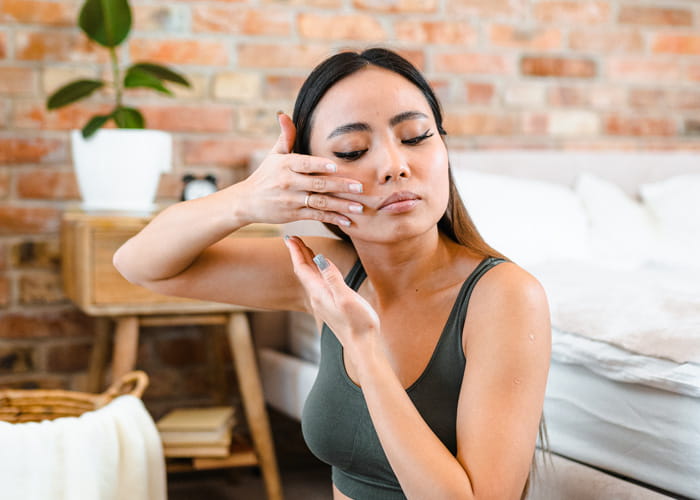
Skincare plays a key role in keeping your under-eye area healthy and vibrant. But simple lifestyle changes can often make a big difference in reducing puffiness and brightening your look:
Healthy Habits | Why It Helps |
Maintain a balanced diet low in salt and processed foods | Prevents water retention that leads to puffiness |
Get at least 7–8 hours of sleep | Allows skin to repair and reduces under-eye swelling |
Avoid excessive alcohol and smoking | Prevents dehydration and skin damage |
Use sunscreen daily | Protects delicate under-eye skin from UV damage |
Manage stress with meditation or exercise | Lowers stress-related puffiness and improves circulation |
When to Seek Professional Help
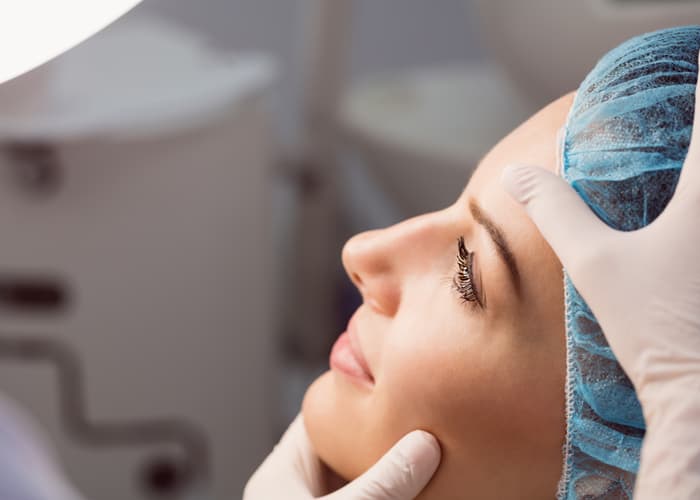
Skincare products and home remedies can help manage mild under-eye puffiness. Stubborn or persistent swelling often requires a professional approach. Dermatologists can recommend targeted treatments such as prescription-strength creams, chemical peels, laser therapy, or dermal fillers to improve skin firmness and reduce puffiness more effectively. If over-the-counter solutions don’t deliver results, consulting a dermatologist ensures a safe, customized plan for brighter, healthier-looking eyes.
Takeaway
Under-eye puffiness isn’t just a cosmetic concern; it’s your body’s way of signalling underlying factors. It may be a result of fatigue, allergies, or genetics, but knowing the cause is key to choosing the right solution. By combining effective skincare ingredients with simple lifestyle adjustments, you can restore a brighter, refreshed look and step out with confidence.
FAQs
1. What is the best ingredient for under-eye puffiness?
Some of the best ingredients for puffy eyes include caffeine, which reduces swelling, hyaluronic acid for hydration, peptides to strengthen skin, and vitamin C to brighten. These ingredients work together to refresh and firm the under-eye area.
2. Does retinol get rid of eye bags?
Retinol won’t instantly remove puffiness, but it aids by boosting collagen production and enhancing skin firmness. This makes under-eye bags less noticeable and smooths fine lines.
3. What causes huge, puffy bags under the eyes?
Puffy under-eyes cause includes allergies, fluid retention, aging, sleep deprivation, and genetics. Lifestyle factors like excess salt, alcohol, or stress can make puffiness more noticeable.
4. How to hide puffiness under the eyes?
While skincare is key, you can quickly reduce puffiness under the eyes by using cold compresses, elevating your head while sleeping, staying hydrated, and gently massaging the area.
5. What diseases are associated with puffy eyes?
Puffy eyes may signal thyroid eye disease, sinus infections, or kidney and heart issues that cause fluid retention. Persistent or sudden swelling should be checked by a doctor.