

Ever wondered whether lactic acid or salicylic acid is better for your skin? You’re not alone. With the rise of chemical exfoliants in modern skincare, many are torn between these two superstar ingredients. If your skincare feels dull, clogged, or just not glowing, the right acid can transform your skin — but only if you understand what it truly does. Let your skin feel the difference with a gentle AHA-BHA face wash and routine powered by the best skincare products.
Both acids fall under different categories —
- Lactic acid is part of the alpha hydroxy acid (AHA) family and works on the skin’s surface to exfoliate, boost hydration, and improve radiance.
- In contrast, salicylic acid falls under butylated hydroxyanisole (BHA) and moves deeper into the pores to clear breakouts, reduce oil buildup, and keep acne under control.
Ready to know the science behind your next glow-up? Continue reading to see whether Lactic Acid or Salicylic Acid is the better addition to your skincare regimen.
Highlights
- Lactic Acid vs Salicylic Acid
- Understanding AHA and BHA: How They Work on Skin
- Best Skin Types for Lactic Acid and Salicylic Acid
- Top Benefits of Lactic Acid and Salicylic Acid
- When to Choose Lactic Acid vs When to Choose Salicylic Acid
- Lactic Acid for Anti-Aging and Skin Renewal
- Salicylic Acid for Acne and Oily Skin Control
- Advanced Skincare Treatments with Lactic and Salicylic Acid
- Final Thoughts: Choosing Between Lactic Acid and Salicylic Acid
- FAQs
Lactic Acid vs Salicylic Acid
Lactic Acid vs salicylic acid is one of the most debated topics in skincare today. Each one can help your skin look clearer, smoother, and more radiant, yet they function through completely different mechanisms. Choosing the wrong one can lead to irritation instead of results. Many people struggle with dullness, rough texture, or breakouts. Knowing how these acids work makes it easier to choose the one that suits your skin type and concerns. Think of lactic acid as the gentle resurfacer — perfect for revealing smoother, hydrated, and radiant skin.
Now think of salicylic acid as the deep pore purifier — designed to go under the surface and fight acne-causing bacteria.
- Lactic acid mixes with water, so its action focuses on the skin’s top layer.
- Salicylic acid being oil-soluble can move through oily buildup and penetrate deeper into blocked pores.
This one difference determines how each acid behaves on your skin: one brightens and smoothens; the other purifies and clears.
Understanding AHA and BHA: How They Work on Skin
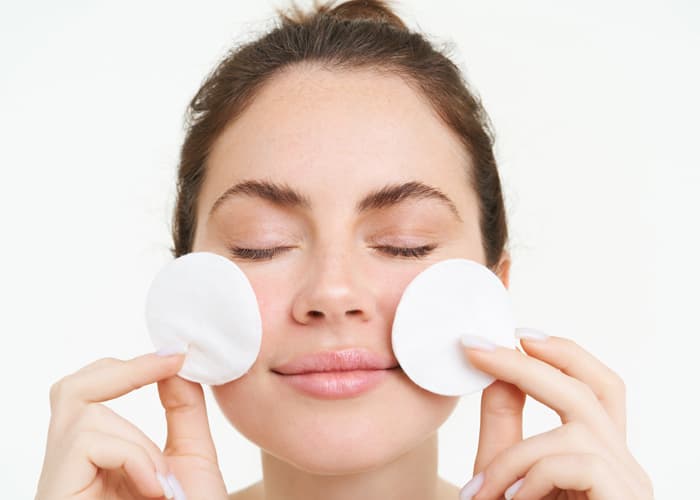
Chemical exfoliation has replaced harsh scrubbing because it’s smarter, not stronger. Science insight: The ideal pH for exfoliation is between 3 and 4. At this level, acids can effectively loosen the bonds between dead cells without damaging healthy ones.
“When used at the right pH, acids mimic the skin’s natural renewal rhythm,”
Best Skin Types for Lactic Acid and Salicylic Acid
- Dry, Sensitive, or Aging Skin: Choose lactic acid for exfoliation and hydration.
- Oily + Acne-Skin: Go with salicylic acid. It clears pores and prevents new breakouts.
- Combination Skin: Alternate between both — AHA one night, BHA the next.
“Alternating acids creates a customized exfoliation cycle — one hydrates, the other purifies,”
Top Benefits of Lactic Acid and Salicylic Acid
Benefit | AHA | BHA |
Exfoliation | Surface renewal | Deep pore cleansing |
Brightening | Improves radiance | Fades acne marks |
Hydration | Enhances ceramides | Reduces excess oil |
Texture | Smooths and plumps | Refines pores |
Anti-Aging | Boosts collagen | Prevents acne scars |
Together, these acids deliver a holistic renewal — from texture correction to acne prevention.
When to Choose Lactic Acid vs When to Choose Salicylic Acid
Choose lactic acid when:
- Your skin feels tight, flaky, or dull.
- You want mild exfoliation with added hydration.
- You’re targeting early aging or pigmentation.
Choose salicylic acid when:
- You’re dealing with acne, blackheads, or excessive oil.
- You want to reduce inflammation and redness.
- Your skin can tolerate deeper exfoliation.
Balanced skincare often means using both strategically instead of choosing one over the other.
Lactic Acid for Anti-Aging and Skin Renewal

Lactic acid’s greatest strength lies in its anti-aging and resurfacing ability.
- It encourages new collagen production, improves firmness, and reduces fine lines.
- By increasing the penetration of peptides, antioxidants, and other actives, it enhances the overall performance of your skincare regimen.
Clinical studies show lactic acid improves epidermal thickness and skin elasticity by up to 20% after consistent use for 12 weeks.
“Think of lactic acid as your gentle daily retouch — it smooths imperfections while nurturing the skin barrier.”
Salicylic Acid for Acne and Oily Skin Control
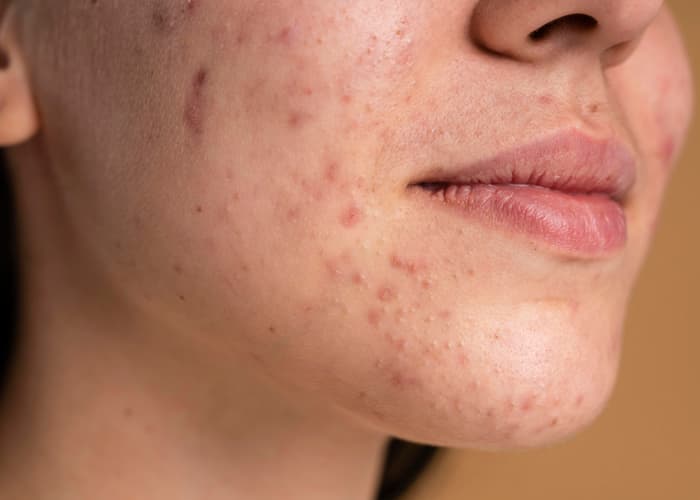
For those struggling with acne or oil imbalance, salicylic acid is the go-to acid.
- It cuts through sebum, unclogs pores, and neutralizes acne-causing bacteria.
- It also suppresses inflammatory cytokines, which cause redness and swelling.
Unlike drying spot treatments, salicylic acid exfoliates without stripping — preserving skin balance.
Clinical fact: Regular 2% salicylic use reduces comedones by up to 60% within 8 weeks.
Advanced Skincare Treatments with Lactic and Salicylic Acid
Dermatology clinics often use lactic and salicylic acid peels in customized ratios.
- Lactic peels (20–40%) improve hydration and pigmentation.
- Salicylic peels (10–30%) control acne and reduce post-acne marks.
- Combination peels (AHA + BHA) deliver synergistic effects — smoother texture and fewer breakouts.
Next-Gen Trend: Bioengineered formulations now combine lactic acid, salicylic acid, or urea, offering exfoliation with moisture retention. These biotech blends reduce irritation by releasing acids slowly into the skin.
“Next-gen peels are smarter — they exfoliate with precision, not aggression,”
Final Thoughts: Choosing Between Lactic Acid and Salicylic Acid
When comparing lactic or salicylic acid, there’s no universal winner — just the right match for your skin’s chemistry.
- Bottom line: If your skin feels dull, rough, or lacks glow — go for lactic acid.
- If your skin is oily, acne-prone, or constantly breaking out, salicylic acid is your hero.
- Together, they form the perfect duo: one renews the surface, the other cleanses the core.
Together, they represent skincare’s most powerful duo — surface refinement and deep detox in harmony. Both acids prove that skincare success lies in scientific precision, not product overload. Choose wisely and let your skin reveal its best version.
FAQs
1. Is lactic acid or salicylic acid better for skin?
It all depends on your skin. Lactic acid (AHA) gently exfoliates the surface, brightens, and hydrates — perfect for dry or sensitive skin. Salicylic acid (BHA) works best with pores, removing excess oil and fighting acne. If dullness and rough texture bother you, lactic acid is your match; if breakouts are your struggle, salicylic acid wins.
2. Can I use salicylic acid and lactic acid together?
Not in the same routine. Both exfoliating acids and layering them may lead to irritation or excess-exfoliation. The smarter approach is alternating use — for example, lactic acid at night for glow and salicylic acid the next day to control oil and acne. This way, your skin benefits from both without compromising its barrier.
3. How is lactic acid different from salicylic acid?
Lactic acid is water-soluble, focusing on surface-level exfoliation and hydration. Salicylic acid is oil-soluble, so it dives deep into pores to clear out sebum and bacteria. Lactic acid suits dry, mature, or sensitive skin, while salicylic acid is ideal for oily, acne-prone types needing deep cleansing.
4. What is salicylic acid best paired with?
It pairs best with niacinamide or hyaluronic acid. These ingredients calm, hydrate, and balance the skin after exfoliation. Avoid mixing salicylic acid with other strong actives like retinol or glycolic acid in the same routine — this can irritate. Instead, use salicylic acid in the morning or alternate days for optimal results.
5. Which is stronger, lactic or salicylic acid?
Salicylic acid is considered stronger because it penetrates deeper into pores and has keratolytic (cell-shedding) power. Lactic acid works more gently on the surface, making it milder but effective over time for smoother, brighter skin. Beginners or those with sensitive skin should start with lactic acid before moving to stronger BHAs like salicylic acid.
6. Can I alternate salicylic acid and lactic acid?
Yes, alternating is one of the best strategies. You can use lactic acid twice a week for radiance and salicylic acid once or twice a week for deep cleansing. This balance allows consistent exfoliation without over-stressing the skin. Always follow with SPF and a hydrating moisturizer to protect your renewed skin barrier.
7. Can I mix vitamin C with lactic and salicylic acid?
It’s best not to layer them directly. Vitamin C needs a stable pH to work effectively, while acids can alter that environment. Use vitamin C in the morning for antioxidant protection and either lactic or salicylic acid at night for exfoliation. This separation maximizes their benefits — glow by day, renewal by night.