
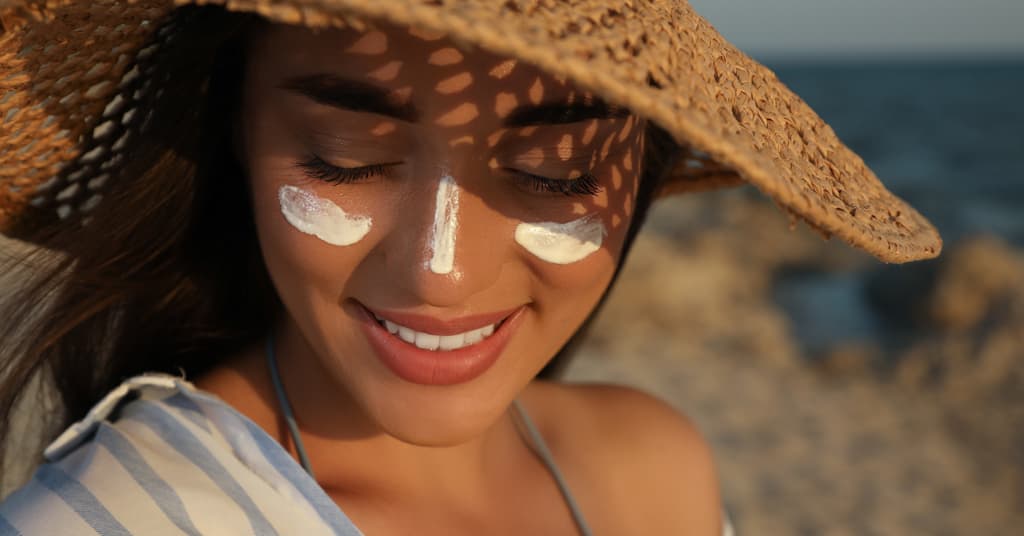
Skin that freckles easily, tans quickly, or holds onto dark spots requires more than a standard sunscreen. Pigmentation-prone skin reacts strongly to sunlight, heat, and even indoor lighting, which means your daily protection needs to go beyond UV-blocking formulas. This is where tinted sunscreen becomes essential.
If pigmentation is your daily concern, a tinted sunscreen can change the game.
Dermatologists worldwide now consider tinted sunscreens a crucial part of pigmentation management, especially for conditions like melasma, post-inflammatory hyperpigmentation (PIH), suntan, and uneven skin tone. Unlike regular sunscreens, tinted SPF shields the skin from visible light (VL) and blue light. The two powerful triggers that deepens the pigmentation are especially prevalent in medium to darker skinned tones.
This blog breaks down the science, benefits, clinical relevance, and how to select and apply a tinted sunscreen for optimal results.
Highlights
- Why Pigmented Skin Needs More Than Regular Sunscreen
- Tinted Sunscreen vs. Regular Sunscreen: The Clinical Difference
- How Tinted Sunscreen Helps Reduce Pigmentation Over Time
- Dermatologist Insights: Why Tinted Sunscreen Is a Global Recommendation
- Key Ingredients to Look for in a High-Quality Tinted Sunscreen
- How to Choose the Best Tinted Sunscreen for Pigmented Skin
- Pairing Tinted Sunscreen With an Effective Pigmentation Routine
- Common Myths About Tinted Sunscreen—Debunked
- Conclusion
- FAQs
Why Pigmented Skin Needs More Than Regular Sunscreen
Pigmented or melanin-rich skin behaves differently. It is more reactive, more vulnerable to light exposure, and more prone to long-lasting darkening. Understanding this helps explain why tinted sunscreen is a superior choice.
1. Multiple Triggers Fuel Pigmentation
Pigmentation is not the result of a single pathway. Instead, melanocytes respond aggressively to various external factors:
- UVB → Causes sunburn, tanning, and surface darkening
- UVA → Penetrates deeper layers, worsening melasma and long-term pigmentation
- VL → Stimulates melanocytes directly, deteriorating PIH
- High-Energy Visible (HEV) Blue Light → Comes from sunlight and digital screens
- Heat → Triggers inflammatory pathways that drive melasma relapse
These combined triggers create a cycle of darkening, relapse, and stubborn pigmentation that traditional sunscreens cannot fully manage.
2. VL Plays a Larger Role Than Most People Realize
VL of 400–700 nm wavelength penetrates deeper than UVB and is clinically proven to cause:
- Worsening of melasma
- Increased depth of pigmentation
- Prolonged dark spots
- Delayed fading of PIH
- More intense tanning
Regular sunscreens, even broad-spectrum formulas, are not designed to block VL, which acts as the missing layer of protection.
Conventional sunscreens protect against UV rays, but UV is only half the story. Modern research highlights how VL and HEV blue light, from the sun and digital screens, intensifies skin pigmentation on the face. Melasma, freckles, suntan, and post-acne marks often worsen due to these wavelengths.
Tinted sunscreen fills this gap. It protects beyond UV, giving pigmented skin an extra layer of defense that traditional sunscreens simply cannot.
Let’s break down why these matters and how you can choose the best sunscreen for brighter, even-toned, healthier skin.
Tinted Sunscreen vs. Regular Sunscreen: The Clinical Difference
Tinted sunscreens contain iron oxides—a pigmenting and protective ingredient that forms a barrier against blue light and VL. This single difference changes the entire photoprotection profile.
Below is how tinted sunscreen outperforms regular sunscreen for pigment-prone skin:
1. Superior Protection Against VL
This is the main reason dermatologists recommend tinted sunscreen for pigmentation.
- VL triggers melanogenesis—especially in deeper skin phototypes (III–VI). Iron oxides in tinted sunscreen:
- Block VL and HEV light
- Reduce blue-light-induced pigmentation
- Help prevent melasma darkening
- Protect earlier and more consistently than makeup
2. Immediate Tone Correction and Spot Blurring
Tinted sunscreen offers soft, natural coverage that:
- Even out skin tone
- Minimizes freckles, PIH, and melasma patches
- Blurs pigmentation irregularities
- Provides a smooth, non-greasy finish
This makes tinted SPF a functional skincare + cosmetic hybrid, ideal for everyday use, especially for those who prefer minimal makeup.
3. No White Cast, Better Comfort, More Compliance
Modern tinted SPF formulas—particularly gel-based or hybrid sunscreens—are:
- Lightweight
- Non-greasy
- Easy to blend
- Suited for melanin-rich skin tones
- Photostable
- Sweat-resistant
This enhances daily compliance, which is one of the biggest predictors of pigmentation improvement.
4. Works Seamlessly with Pigmentation Treatments
If your routine includes:
- Vitamin C
- Niacinamide
- Azelaic acid
- Kojic acid
- Retinoids
- Depigmentation creams
Tinted sunscreen becomes a necessary companion. These actives lighten pigmentation—but visible light can reverse your progress. Iron-oxide-based protection prevents this rebound effect.
How Tinted Sunscreen Helps Reduce Pigmentation Over Time
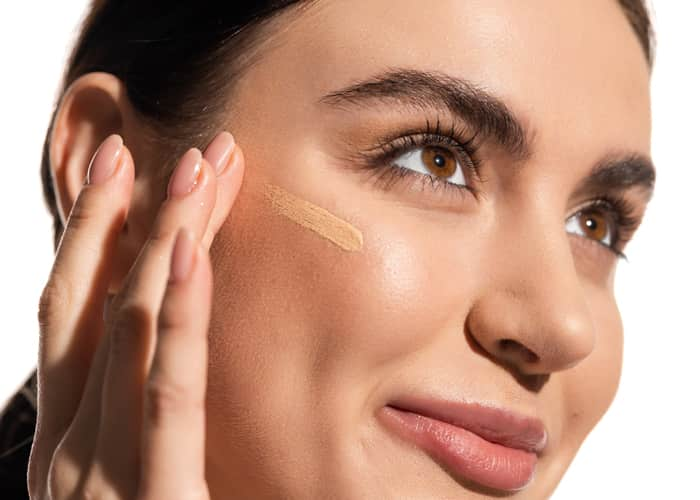
Tinted sunscreen is not a “treatment” for pigmentation—but it prevents the condition from worsening, which is half the battle.
Here’s how it supports long-term clarity:
Benefit | Why It Matters |
Shields melanocytes from multiple wavelengths | UV, VL, and blue-light protection reduce melanin spikes and prevents pigment activation. |
Prevents darkening of existing pigmentation | Crucial for melasma and PIH, which worsen even with mild light exposure. |
Reduces the risk of PIH after acne or irritation | Inflammation can easily convert into dark spots; tinted sunscreen lowers this post-inflammatory risk. |
Supports the effectiveness of active ingredients | Nighttime actives fade pigmentation; tinted SPF prevents daytime relapse and protects treatment results. |
Who Benefits the Most From Tinted Sunscreen?
While everyone can use tinted sunscreen, it is especially recommended for:
- People with melasma
- Those who tan easily
- Individuals with acne-prone skin and PIH
- Medium to deep skin tones (more reactive to VL)
- People undergoing pigmentation treatment
- Individuals with long screen-time exposure
- Those living in sunny or tropical climates
If you are searching for the best sunscreen for pigmented skin, a tinted formula should be your first choice.
Dermatologist Insights: Why Tinted Sunscreen Is a Global Recommendation

Dermatology guidelines consistently highlight the need for VL protection in pigment-prone skin. Key clinical findings show that:
- VL stimulates melanocytes more intensely than UVB
- Blue light from screens contributes to daily pigmentation
- VL-induced pigmentation lasts longer and fades more slowly
- Iron oxide–based sunscreens reduce VL penetration and improve treatment outcomes
As a result, dermatologists recommend tinted sunscreen both outdoors and indoors—because artificial lighting and digital screens emit HEV blue light continuously.
Key Ingredients to Look for in a High-Quality Tinted Sunscreen
Choosing a clinically sound tinted sunscreen ensures both protection and comfort. Look for:
Ingredients | Why It Matters |
SPF 50 or higher | Offers strong UVB protection, helping prevent tanning, sunburn, and UV-triggered pigmentation. |
Broad-spectrum UVA/UVB filters | Shields the skin from both surface and deep sun damage that contributes to long-term pigmentation. |
Iron oxides (red, yellow, black) | Essential for blocking visible light and blue light—major triggers for melasma and PIH. |
Antioxidants | Ingredients like vitamin E, ferulic acid, and botanical extracts neutralize free radicals generated by light exposure. |
Lightweight gel or fluid texture | Ensures comfortable daily wear; suitable for oily, sensitive, and acne-prone skin types. |
Non-comedogenic formulation | Prevents clogged pores, helping reduce acne-related inflammation and PIH. |
Texture Matters: Why Gel or Hybrid Formulas Work Best
Pigmented skin often overlaps with:
- Oily skin
- Combination skin
- Acne-prone skin
Heavy sunscreens can lead to:
- Greasiness
- Pore congestion
- Sweating and patchiness
- Orange or mismatched tones
A gel or fluid formula ensures:
- Smooth blending
- No white cast
- Even protection
- All-day comfort
This leads to consistent daily use, which is the most crucial step in pigmentation control.
Tinted Sunscreen: More Than Cosmetic Coverage
Although tinted SPF provides coverage, it differs from foundation in several ways as it:
- Contains iron oxides
- Offers VL protection
- Lightweight and breathable
- Designed for photoprotection
- Does not clog pores
- Maintains color stability
Foundation
- Offers no UV or VL protection
- Can oxidize and darken
- May block pores and worsen PIH
- Not suitable as daily sun defense
Tinted sunscreen is essentially a skin-safe, protective base with both functional and aesthetic advantages.
How to Choose and Apply Tinted Sunscreen for Pigmented Skin
Use this dermatologist-approved checklist:
- SPF 50+ (daily essential)
- PA+++ or higher for UVA coverage
- Iron oxide–enriched formula
- Tint that matches or blends with your undertone
- Sweat- and humidity-resistant
- Non-comedogenic and lightweight
- Dermatologist-tested
- Suitable for your skin type (dry, oily, combination)
Even the best sunscreen fails without proper application.
Step | Why It Matters |
Use the 3-Finger Rule | Three full finger-lengths ensure the correct dose for complete protection. |
Apply evenly across the entire face | Tinted formulas must be blended uniformly to deliver consistent visible-light protection. |
Reapply every 3–4 hours | Essential during outdoor exposure or prolonged screen time to maintain UV + VL defense. |
Cover the neck, ears, and sides of the face | These often-missed areas are prone to unnoticed pigmentation. |
Apply after moisturizer and before makeup | Helps the formula adhere properly and ensures optimal protection throughout the day. |
These steps ensure full coverage throughout the day.
Pairing Tinted Sunscreen With an Effective Pigmentation Routine
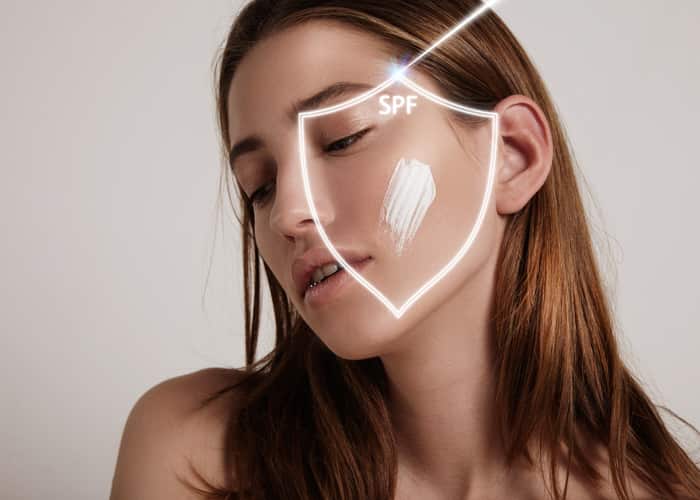
For best results, dermatologists recommend pairing tinted SPF with scientifically proven actives.
Morning Routine | Night Routine |
Retinoids (if advised) Kojic acid or targeted pigmentation creams |
Tinted sunscreen prevents daytime relapse, allowing nighttime actives to work more effectively.
Lifestyle Tips to Reduce Pigmentation
- Avoid peak sun hours (10 AM–3 PM)
- Use hats, umbrellas, and protective clothing
- Limit heat exposure
- Use blue-light filters on screens
- Maintain consistent daily SPF use
Small, consistent habits make a visible difference over time.
Common Myths About Tinted Sunscreen—Debunked
Myth | Reality |
“Tinted sunscreen is just makeup.” | False. Tinted SPF contains iron oxides that offer proven visible-light and blue-light protection—something makeup cannot provide. |
“You don’t need sunscreen indoors.” | Not true. Blue light from screens and indoor lighting can worsen melasma, PIH, and tanning; daily protection is essential even indoors. |
“Tinted sunscreen is only for women.” | Incorrect. Tinted SPF is a gender-neutral, science-driven photoprotector suitable for all skin types and tones. |
“Regular sunscreen is enough.” | Not for pigmentation. Only tinted sunscreens block visible light, a major trigger for dark spots and melasma. |
Conclusion
Pigmented skin requires thoughtful, science-backed protection. Tinted sunscreen merges UV defense, VL shielding, and cosmetic elegance into one essential product. Whether you’re managing melasma, PIH, tanning, or uneven tone, this simple step reinforces every product in your routine and helps prevent relapse.
Consistent use of a high-quality tinted SPF 50 isn’t just good practice—it’s a powerful investment in long-term skin clarity, resilience, and radiance.
FAQs
1. Do all tinted sunscreens have iron oxide?
No. Only true tinted sunscreens formulated for VL protection contain iron oxides. Always check the ingredient list for red, yellow, or black iron oxides to ensure VL and blue-light defense.
2. What’s the best skincare routine for hyperpigmentation?
A pigmentation-focused routine includes antioxidants like vitamin C in the morning and corrective actives such as niacinamide, azelaic acid, retinoids, and kojic acid at night—paired with daily tinted sunscreen to prevent relapse.
3. Do sunscreens help hyperpigmentation?
Yes. Sunscreens prevent UV-induced darkening and protect results from treatment. Tinted sunscreens go a step further by blocking VL, which significantly worsens melasma and PIH.
4. Which type of sunscreen is best for pigmented skin?
A tinted sunscreen with SPF 50+, broad-spectrum filters, and iron oxides is ideal. It protects against UV, VL, and blue light—key triggers for melanin formation in pigment-prone.
5. Is tinted sunscreen good for everyday use?
Absolutely. Tinted sunscreen is designed for daily wear—it’s lightweight, non-comedogenic, blends easily, and offers continuous protection from sunlight and indoor lighting.