

Exfoliation is a vital skincare step that helps maintain healthy, glowing skin, and understanding the differences between physical vs. chemical exfoliation is key to achieving the best results. Regular exfoliation reveals fresh skin underneath, giving your complexion a smoother texture, even tone, and a radiant appearance.
But with so many exfoliation methods available, two main approaches stand out: chemical and physical exfoliation. Both methods have unique benefits, but understanding their differences is key to choosing the right one for your skin type and concerns.
In this article, we’ll explore both physical and chemical exfoliation, compare their benefits, and help you decide which method is best suited for your skin. Let’s dive in.
Highlights
- What is Exfoliation and Why is it Important?
- What is Chemical Exfoliation?
- What is Physical Exfoliation?
- Which Exfoliation Method is Best for You?
- Tips for Safe Exfoliation
- Take Away
- FAQs
What is Exfoliation and Why is it Important?
Our skin naturally sheds dead cells, but over time, this process slows down. The accumulation of dead cells can lead to clogged pores, dullness, and uneven texture.
Exfoliation refers to the process of removing dead skin cells from the skin’s surface to reveal newer, healthier skin. Regular exfoliation helps to:
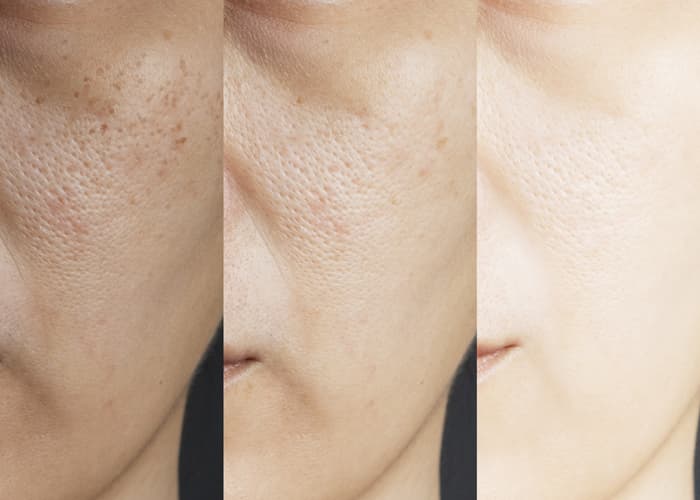
- Improve skin texture and tone
- Minimize the appearance of fine lines and wrinkles
- Prevent clogged pores and breakouts
- Enhance the absorption of skincare products
What is Chemical Exfoliation?
Chemical exfoliation is a shortcut to smoother skin. It involves using acids (such as AHAs, BHAs) or enzymes to break down the bonds between dead skin cells, making them easier to shed.
Unlike physical exfoliation, which requires scrubbing, chemical exfoliants work by dissolving these bonds, resulting in smoother skin without friction. This method is often considered gentler than physical exfoliation, especially for sensitive skin.
Types of Chemical Exfoliants
- Alpha Hydroxy Acids (AHAs): These water-soluble acids, such as glycolic and lactic acid, are derived from fruits and milk. AHAs are best for dry or sun-damaged skin, as they work on the skin’s surface to exfoliate and improve texture, reduce fine lines, and even out skin tone.
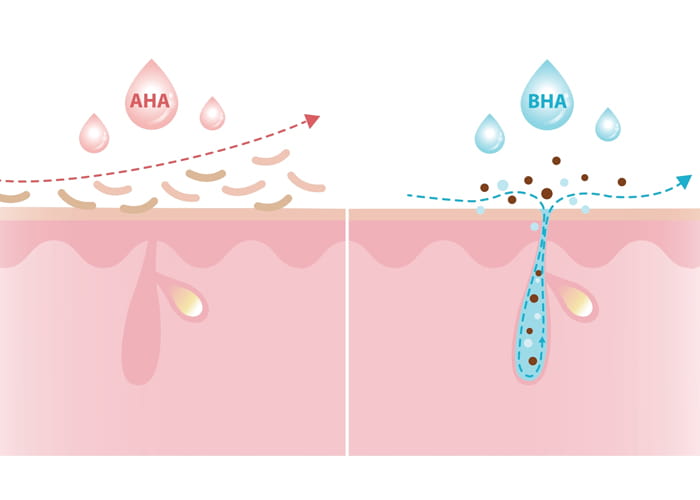
- Beta Hydroxy Acids (BHAs): The most well-known BHA is salicylic acid. Unlike AHAs, BHAs are oil-soluble, which allows them to penetrate deeper into the pores. This makes them an excellent choice for oily or acne-prone skin, as they help clear out excess sebum and prevent breakouts.
- Polyhydroxy Acids (PHAs): PHAs are similar to AHAs but have larger molecules, which makes them less likely to irritate the skin. They offer a gentler exfoliation and are suitable for sensitive skin types.
Benefits of Chemical Exfoliation
- Gentler on the Skin: Chemical exfoliants for face do not require physical scrubbing, reducing the risk of skin irritation, redness, or micro-tears.
- Even Exfoliation: Since chemical exfoliants dissolve dead skin cells uniformly, they offer a more consistent exfoliation, ensuring that all areas of your skin are treated equally.
- Targeted Action: BHAs can penetrate deep into the pores to clear out excess oil, debris, and dead cells, making them especially beneficial for managing acne and blackheads.
- Improves Skin Texture: Regular use of chemical exfoliants can improve your overall skin texture, fade hyperpigmentation, and stimulate collagen production for firmer, youthful-looking skin.
How to Use Chemical Exfoliants?
- Frequency: Start with a mild chemical exfoliant and use it once or twice a week, gradually increasing frequency as your skin gets used to it.
- Application: Apply the exfoliant on clean, dry skin, and always follow up with sunscreen during the day, as chemical exfoliation can make your skin more sensitive to the sun.
What is Physical Exfoliation?
Physical exfoliation, on the other hand, involves using abrasive tools or products to manually slough off dead skin cells. This method is often more immediate in its results, as it physically scrapes away the outer layer of skin.
Types of Physical Exfoliants
- Facial Scrubs: These contain small, gritty particles, such as sugar, salt, or crushed seeds, that scrub off dead skin cells when massaged into the skin.
- Exfoliating Brushes and Tools: These include manual brushes, sponges, and cleansing devices. These tools help to physically remove dead skin cells and stimulate circulation.

- Microdermabrasion: This professional treatment uses fine crystals or diamond-tipped wands to deeply exfoliate the skin, often leaving the skin smoother and more refined.
Benefits of Physical Exfoliation
- Immediate Results: Physical exfoliation provides a noticeable change in the skin’s appearance right after use. It instantly leaves the skin feeling smoother, softer, and more radiant.
- Increased Circulation: The act of massaging the skin during physical exfoliation helps stimulate blood flow, promoting a healthy, glowing complexion.
- Customizable Pressure: You can control the amount of pressure you apply during physical exfoliation, making it suitable for different areas of the face and body.
- Tactile Experience: Many people find physical exfoliation to be satisfying because of the hands-on approach it offers. It allows for a more immediate, sensory exfoliation experience.
How to Use Physical Exfoliants?
- Frequency: Limit physical exfoliation to only once or twice a week to prevent over-exfoliating or irritating the skin.
- Application: Gently massage the product onto damp skin using circular motions. Be careful not to scrub too harshly, especially in delicate areas such as around the eyes.
Which Exfoliation Method Is Best for You?
The choice between chemical and physical exfoliation largely depends on your skin type and specific concerns. Here’s a quick guide:
Skin type | Best exfoliation method= | Worst exfoliation methods |
| Sensitive Skin | Chemical exfoliation with PHAs or mild AHAs (gentler approach) | Harsh physical exfoliants with rough or large particles |
| Acne-Prone or Oily Skin | Chemical exfoliation with BHAs (e.g., salicylic acid) | Physical exfoliation (can spread bacteria, worsen acne) |
| Dry or Aging Skin | Chemical exfoliation with AHAs (boosts hydration, reduces fine lines) | Abrasive physical exfoliants (strip natural oils, worsen dryness) |
| Normal or Combination Skin | Combination of both physical and chemical exfoliation (mild chemical exfoliant regularly, gentle scrub occasionally) | Over-exfoliating or using too harsh of a physical exfoliant |
Tips for Safe Exfoliation
No matter which method you choose, it’s important to exfoliate with care:
- Patch Test: Always patch test a new exfoliant to avoid adverse reactions.
- Avoid Over-Exfoliating: Too much exfoliation can cause irritation and damage, so stick to the recommended frequency.
- Hydrate and Protect: Keep your skin moisturized and use sunscreen, especially after exfoliation, to shield it from UV damage.
Take Away!
Both chemical and physical exfoliation have their unique benefits, and the best choice depends on your individual skin needs. Chemical exfoliation is gentler and more targeted, making it ideal for sensitive, acne-prone, or aging skin. On the other hand, physical exfoliation offers instant gratification with smoother, softer skin, but should be used more cautiously to avoid irritation.
Ultimately, the key to successful exfoliation is consistency and listening to your skin. Whether you opt for chemical exfoliation’s gentle acids or the hands-on approach of physical exfoliation, adding this essential step to your skincare routine can help you achieve a radiant, healthy complexion.
FAQs
1. How often should I exfoliate my skin?
Exfoliate 1-3 times a week depending on your skin type. Sensitive skin should exfoliate once a week to avoid irritation, while oily or acne-prone skin may benefit from 2-3 times a week. Dry skin should stick to once a week to prevent further dryness. Always adjust based on how your skin feels—over-exfoliating can cause irritation and redness.
2. Can I use both chemical and physical exfoliants together?
You can use both, but it’s important to be cautious. Overusing both types can lead to irritation or damage to your skin’s protective barrier. It’s best to alternate them, using a chemical exfoliant one day and a physical scrub on another. Pay attention to your skin’s reaction and avoid overdoing it.
3. Is chemical exfoliation safe for acne-prone skin?
3. Yes, chemical exfoliation is safe for acne-prone skin, especially with BHAs like salicylic acid. These ingredients penetrate deep into pores to unclog them and reduce breakouts without causing irritation. Regular use can help control oil and keep acne in check.
4. What’s the best exfoliation method for dry or aging skin?
4. For dry or aging skin, chemical exfoliation with AHAs (like glycolic acid) is ideal. AHAs help remove dead skin cells while boosting hydration, leaving your skin smoother and more radiant. This method also helps reduce the appearance of fine lines and wrinkles, making your skin look younger.
5. Can physical exfoliation cause skin damage?
5. Yes, if used too aggressively, physical exfoliation can cause microtears in the skin, leading to irritation and long-term damage. It’s best to choose gentle scrubs with fine particles and use them sparingly to avoid harming your skin’s protective barrier.
6. Should I exfoliate in the morning or night?
6. It’s best to exfoliate at night since your skin is in repair mode and not exposed to sunlight, which can make freshly exfoliated skin more sensitive. Nighttime exfoliation allows the active ingredients to work more effectively while you sleep.