
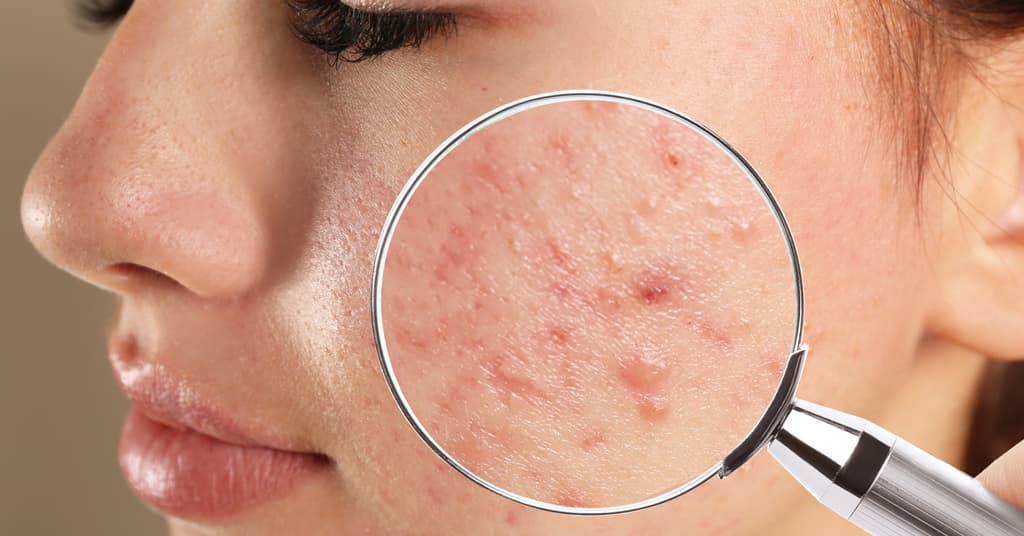
Acne and acne scars can be a real pain, right? But did you know some of your everyday habits could be making it even worse?
A lot of us unknowingly do things that can trigger or worsen those breakouts. If acne has got you down, it might be time to take a fresh look at your skincare routine and daily habits.
To help you out, we’ve rounded up 8 common habits that could be causing more breakouts – and how to avoid them!
Highlights
What is Acne?
Acne is a common skin condition that occurs when hair follicles become clogged with oil, dead skin cells, and sometimes bacteria. This leads to pimples, blackheads, and cysts, typically on the face, back, and shoulders.
What Causes Acne?
The main causes of acne include:
- Excess oil production: Overactive sebaceous glands can produce too much oil, leading to clogged pores.
- Hormonal changes: Puberty, menstruation, pregnancy, and conditions like polycystic ovary syndrome (PCOS) can trigger an increase in hormones, which may cause acne.
- Bacteria: When pores are blocked, bacteria can grow inside them, leading to acne vulgaris.
- Diet and lifestyle: Poor diet, stress, and lack of sleep can also contribute to acne flare-ups.
8 Daily Habits that are Making Your Acne Worse
Here are 8 daily habits that could be making your acne worse. By adjusting these habits, you can help prevent breakouts and achieve clearer, healthier skin.
1. Washing Your Face Too Often
It’s tempting to wash your face multiple times a day to remove dirt and oil. But over-washing can actually dry out your skin, causing it to produce even more oil in response. This excess oil can clog pores and lead to more breakouts.
Solution: Wash your face twice a day—once in the morning and once before bed with a non-comedogenic facewash. If you’ve been sweating during a workout, rinse your face with cool water first, then cleanse it properly.
2. Using Harsh or Incorrect Products
Not all skincare products are suitable for acne-prone skin. Using products that aren’t made for your skin type, like harsh exfoliators or oil-based moisturizers, can aggravate your acne.
Solution: Look for products labelled “non-comedogenic” or “oil-free moisturizer.” These are formulated to prevent clogged pores and reduce acne flare-ups. Anti-acne serums with ingredients like salicylic and azelaic acid are another great option to help treat and improve your skin.
3. Scrubbing Your Skin Too Hard
Trying to scrub away dirt and oil too harshly can be damaging. Even, using rough towels or brushes can irritate your skin, leading to redness, inflammation, and more breakouts.
Solution: Use your fingertips to gently cleanse your face in circular motions. Avoid using harsh tools or scrubbing too vigorously.
4. Eating Too Much Junk Foods
What you eat can play a big role in your skin’s health.
Consuming a lot of sugary snacks, greasy fast food, or dairy (for some!) can trigger breakouts and make your acne worse. A poor, unhealthy diet may lead to inflammation, which can be damaging to both your body and skin—causing more pimples, dullness, and even slower healing.
Solution: Focus on a balanced, nutrient-rich diet filled with fruits, vegetables, and whole grains. Foods rich in vitamins A, C, and E, as well as omega-3 fatty acids, can support healthy skin. Drink plenty of water to keep your skin hydrated and glowing!
5. Reusing Dirty Towels or Washcloths
Dirty towels can harbor bacteria, which can transfer to your skin and cause more breakouts. Reusing the same towel every day can defeat the purpose of washing your face.
Solution: Use a clean towel every time you wash your face. Pat your skin dry instead of rubbing it to avoid irritation.
6. Changing Acne Medications Too Often
Patience is key when treating acne. Switching your acne treatment too frequently can make it harder for your skin to adjust and heal. Acne medications often take time to work, and constantly changing products can make things worse.
Solution: Stick with one acne treatment for at least 4-6 weeks before deciding to switch. Give your skin time to respond.
7. Touching Your Face or Popping Pimples
Constantly touching your face transfers dirt, oil, and bacteria to your skin, which can trigger breakouts. Popping pimples can also lead to scarring and more inflammation.
Solution: Avoid touching your face as much as possible. Resist the urge to pop pimples and let them heal naturally.
8. Sleeping with Makeup On
When you sleep in your makeup, you’re trapping dirt and oil in your pores, which can lead to clogged pores and acne. It’s important to cleanse your face before bedtime to allow your skin to breathe and repair itself overnight.
Solution: Always remove your makeup before going to bed. Use a gentle makeup remover followed by a cleanser to ensure your skin is thoroughly clean.
Takeaway
If acne is getting the best of you, reviewing your daily habits is a great place to start. By avoiding these common mistakes and sticking to a gentle, consistent skincare routine, you’ll give your skin the best chance to stay clear and healthy.
And if you’re ever unsure, a quick chat with a dermatologist can guide you in the right direction.
Small changes can lead to big improvements, so start tweaking your habits and watch your skin glow!
FAQs
1. How to 100% clear acne?
While there’s no guaranteed way to completely clear acne, consistency is key. Stick to a gentle skincare routine that includes proper cleansing, non-comedogenic products, and acne treatments.
It’s important to use medications as prescribed by your dermat, avoid picking at pimples, and give treatments time to work (usually 6-8 weeks).
2. What’s the worst thing for acne?
The worst habits for acne include touching your face frequently, which transfers bacteria and oil, and picking or popping pimples, which leads to further inflammation and scarring. Additionally, using comedogenic products or harsh exfoliants can clog pores, irritating skin and worsening breakouts.
3. What are 5 causes of acne?
Acne can be caused by several factors: hormonal changes (puberty, menstruation, stress), excessive oil production, clogged pores from dead skin and oil, bacterial growth in blocked pores, and genetics. These factors create an environment where acne-causing bacteria thrive, leading to inflammation and breakouts.
4. What are 5 ways to prevent acne?
Preventing acne involves a few key steps: 1) Cleanse your face gently twice a day with a mild cleanser. 2) Avoid touching your face to reduce oil and bacteria transfer. 3) Use non-comedogenic products that won’t clog pores. 4) Maintain a healthy diet. 5) Manage stress.
5. Why am I still breaking out with a good skincare routine?
Even with a good routine, breakouts can occur due to various reasons. Hormonal changes (like menstruation or stress) can trigger acne. Additionally, diet, particularly dairy or high-sugar foods, can contribute to breakouts. It’s also important to consistently follow your routine and give treatments time to work.