
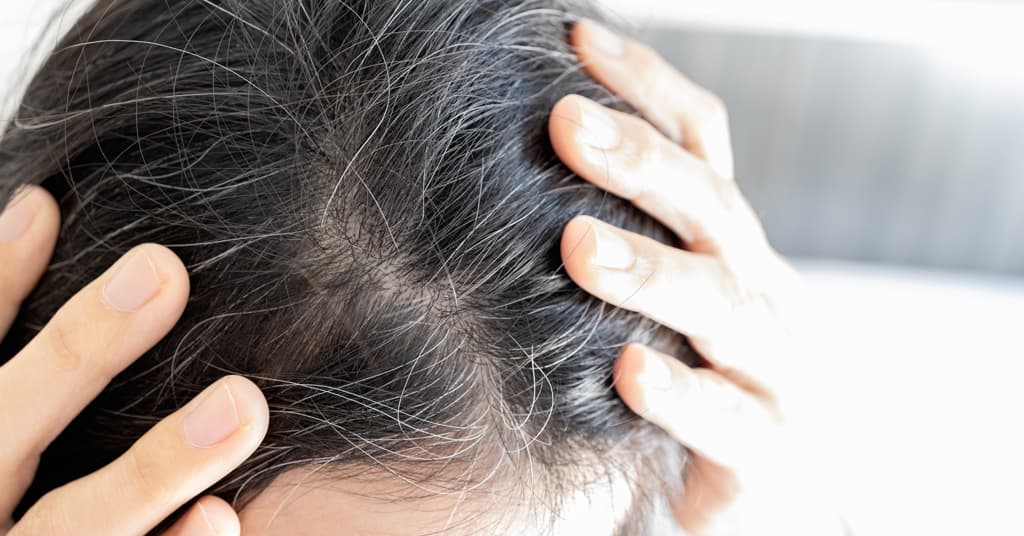
Hair loss is something many of us struggle with at some point in our lives. Whether it’s thinning, receding, or just losing more strands than usual, it’s a frustrating experience. However, there’s a lot of misinformation out there about what causes hair loss and how to treat it.
If you’re trying to address hair loss, you may find yourself caught up in myths that hinder your progress. Today, we’re going to bust 10 common hair loss myths and get your haircare routine back on track!
Highlights
The Truth Behind Hair Loss Myths: What You Need to Know
When it comes to hair loss, there’s no shortage of myths that can lead to confusion and frustration. To get the best results, it’s essential to separate fact from fiction. Let’s dive into 10 most common hair loss myths and debunk them once and for all.
Myth #1: “Hair Loss is Only a Problem for Men”
Truth: Hair loss isn’t exclusive to men. In fact, hair loss in women is incredibly common. Women often experience thinning hair, especially as they age. Hormonal changes, pregnancy, and even menopause can trigger hair thinning. Post-partum hair loss is another major contributor that many women face after giving birth.
It’s important to understand that hair loss is a shared issue across genders, and both men and women can benefit from targeted hair loss treatments.
Myth #2: “Shampoo for Hair Loss Will Solve Everything”
Truth: While a shampoo for hair loss can help with overall hair health, it’s not a miracle cure. Hair loss requires a holistic approach, including proper nutrition, stress management, and potentially medical treatments. Many shampoos contain ingredients that strengthen hair and promote growth, but relying on them alone won’t reverse hair loss.
Look for shampoos with biotin, caffeine, or keratin, but remember that they should be part of a broader hair care routine.
Myth #3: “Washing Your Hair Everyday Causes Hair Loss”
Truth: Washing your hair daily doesn’t cause hair loss, but it’s essential to choose the right products. Harsh chemicals in shampoos can strip your scalp of natural oils, making your hair more prone to breakage. However, if you’re using a gentle shampoo for hair loss, washing your hair daily should be fine.
Pay attention to your scalp and hair type to decide how often to shampoo.
Myth #4: “Wearing Hats or Tight Hairstyles Causes Hair Loss”
Truth: While tight hairstyles (like ponytails or braids) can cause traction alopecia (a type of hair loss caused by tension), wearing a hat doesn’t cause permanent hair loss. Hats can trap heat and sweat, but they don’t interfere with hair growth.
It’s important to be mindful of hairstyles that pull on the scalp, but wearing a hat occasionally won’t harm your hairline.
Myth #5: “Hair Loss Only Happens with Age”
Truth: Age is a significant factor in hair loss, but it’s not the only one. Hair loss in women and men can occur at any stage of life, due to stress, genetics, or hormonal imbalances.
If you’re experiencing hair thinning at a young age, it could be due to various factors like genetics or health issues. The sooner you address it with the right hair loss treatments, the better.
Myth #6: “Stress Is the Sole Cause of Hair Loss”
Truth: While stress can contribute to hair loss, it’s rarely the only factor. Stress triggers a type of hair loss called telogen effluvium, but there are other causes, such as genetics, nutritional deficiencies, hormonal changes, and scalp health.
Tackling hair loss means addressing all potential factors and not just stress.
Myth #7: “Hair Loss Treatments Are All the Same”
Truth: Not all hair loss treatments are created equal. What works for one person might not work for someone else. Treatments vary from topical products, like minoxidil, to medical procedures such as hair transplants.
If you’re struggling with hair loss, consulting a dermatologist is key to finding the right treatment for your unique needs.
Myth #8: “Menopause Means Hair Loss is Inevitable”
Truth: While menopause can lead to hormonal changes that contribute to hair thinning, it doesn’t necessarily mean you’ll experience severe hair loss. Many women find their hair remains strong throughout menopause, and there are hair loss treatments that can help prevent thinning.
A balanced diet, managing stress, and using the right hair care products can all play a significant role in maintaining healthy hair.
Myth #9: “Overusing Hair Care Products Can Prevent Hair Loss”
Truth: Using too many hair care products can do more harm than good. Overuse of styling products, chemicals, and heat treatments can weaken hair and cause breakage.
It’s important to avoid overloading your hair with products and focus on nourishing and strengthening routines. Stick to a minimalistic and effective hair care regime that works for you.
Myth #10: “Hair Loss Is Unavoidable and There’s Nothing You Can Do About It”
Truth: This is perhaps the most damaging myth of all. There are plenty of effective solutions for hair loss. With the right diagnosis, treatment, and consistency, it is possible to manage or reverse the effects of hair loss.
Whether it’s through lifestyle changes, diet, or medical interventions, options exist to help you maintain a healthy scalp and hair.
Take Away!
Hair loss doesn’t have to be a mystery. By understanding the truths behind common hair loss myths and adopting a well-rounded approach to treatment, you can make informed choices about your haircare routine.
Whether you’re dealing with post-partum hair loss, hair loss in women, or just want to prevent thinning, the right strategies can make a world of difference.
FAQs
1. Does creatine cause hair loss?
Creatine is a supplement used for muscle growth, and while it’s not directly linked to hair loss, some studies suggest it can increase levels of DHT (dihydrotestosterone), a hormone associated with hair thinning. If you’re genetically predisposed to male-pattern baldness, creatine might exacerbate it, but it’s not a guaranteed cause of hair loss.
2. Can a change in diet help with hair loss?
Yes! Eating a well-balanced diet rich in vitamins and minerals like iron, biotin, and vitamin D can improve hair health. Foods such as eggs, leafy greens, nuts, and fish are excellent choices for nourishing your hair. Nutritional deficiencies can lead to hair thinning, so proper diet can help reduce the risk of hair loss.
3. Is it possible to regrow hair naturally?
Regrowing hair naturally is possible in some cases, especially if hair loss is due to stress, diet, or environmental factors. However, if the cause is genetic or severe, treatments like minoxidil or hair transplants may be more effective. Patience and consistency are key when trying natural remedies.
4. Are there any natural remedies for hair loss?
Yes! Natural remedies like massaging your scalp with essential oils (like rosemary or peppermint oil) or using aloe vera can stimulate blood flow and promote healthy hair growth. These treatments may be effective for mild hair thinning but should be paired with a comprehensive hair care regimen for best results.
5. Can pregnancy cause permanent hair loss?
No, post-partum hair loss is temporary. Many women experience hair shedding after giving birth due to hormonal changes. The good news is, this type of hair loss is usually reversible, and most women see their hair return to normal within six to twelve months after childbirth.