
When we think of probiotics, we typically picture gut health—yoghurt, kefir, and kombucha. But, wait- Science just dropped a skincare bombshell—those same gut-friendly probiotics you sip in your morning yogurt? They can work wonders for your skin too!
Probiotics for skin have become a game-changer, as research continues to reveal their incredible benefits. From soothing irritation to reducing acne, these beneficial bacteria are revolutionizing skincare routines across the globe.
If you’ve been toiling with skin issues like redness, breakouts, or premature ageing, adding probiotics to your skincare might just be the solution you’ve been looking for. Here’s everything you ought to know about how probiotics can revamp your complexion.
Highlights
- What Are Probiotics, and Why Are They Trending?
- How to Use Probiotics for Skin: Best Ways to Include Them
- What Are Prebiotics and Probiotics—And Why Should You Care?
- Final Thoughts: The Probiotic Revolution in Skincare
- FAQs
What Are Probiotics, and Why Are They Trending?
Probiotics are live bacteria and yeasts that deliver health benefits when taken orally or applied topically. In the last few years, dermatologists and skincare experts have been touting the role of probiotics in boosting the skin’s resilience, calming inflammation, and even preventing acne.
“The microbiome is a delicate balance, and probiotics help create harmony between good and bad bacteria, not just in your gut but also on your skin,” says a board-certified dermatologist and expert on skin health.
Given the rapid rise in probiotic-based skincare, it’s obvious that these bacteria aren’t going away anytime soon!
6 probiotic benefits for skin are:
1. Probiotics for Skin: A Natural Defense Against Acne
Acne is the most prevalent skin issue globally, impacting not just adolescents but also adults. Traditional acne treatments can be harsh and drying, but probiotics offer a gentler alternative by targeting the root cause: bacteria imbalances.
The Science Behind Probiotics for Acne
Studies have shown that probiotics help regulate the skin’s microbiome, keeping acne-causing bacteria in check. The result? Fewer breakouts, reduced redness, and less inflammation.
A 2024 Dovepress review found that oral and topical probiotics—Lactobacillus, Bifidobacterium, Bacillus, and Enterococcus—can reduce acne and improve skin in just 4 to 12 weeks!
This is reassuring news if you are looking for a natural, non-invasive mode to address acne!
2. Boosts Skin’s Barrier Function and Hydration
The skin barrier, which protects us from harmful pollutants, bacteria, and moisture loss, is often compromised by environmental stressors, over-exfoliation, or harsh skincare products. Probiotics come to the rescue by reinforcing the skin’s natural defences.
The Science Behind Probiotics for Barrier Function and Hydration
According to the latest investigation from MDPI, probiotics have been shown to enhance the production of ceramides, lipids that create a protective shield on the skin. By improving barrier function, probiotics help your skin retain moisture, which is especially important during colder months when the skin is prone to dryness.
In fact, The American Academy of Dermatology has emphasized the importance of maintaining a strong skin barrier, calling it a key factor in achieving healthy, youthful-looking skin.
So, if you’re looking to lock in hydration and protect your skin, probiotics are a must-have.
3. Calms Inflammation and Reduces Redness
From rosacea to general irritation, inflammation is at the heart of many skin problems. The anti-inflammatory benefits of probiotics are not just a passing trend; they’re grounded in solid science. The key to managing these conditions often lies in reducing the inflammatory response, which is exactly what probiotics do.
The Science Behind Probiotics for Inflammation
A 2024 study showed that applying probiotic-based serums led to significant reductions in skin redness and irritation. By soothing inflammation, probiotics can assist to restore a more even skin tone and improve overall complexion.
With skin conditions like rosacea on the rise, probiotics offer a soothing solution. As more people look for gentle, non-steroidal treatments, probiotics are quickly becoming a favourite option for those with sensitive skin.
4. Prevents Premature Aging and Fine Lines
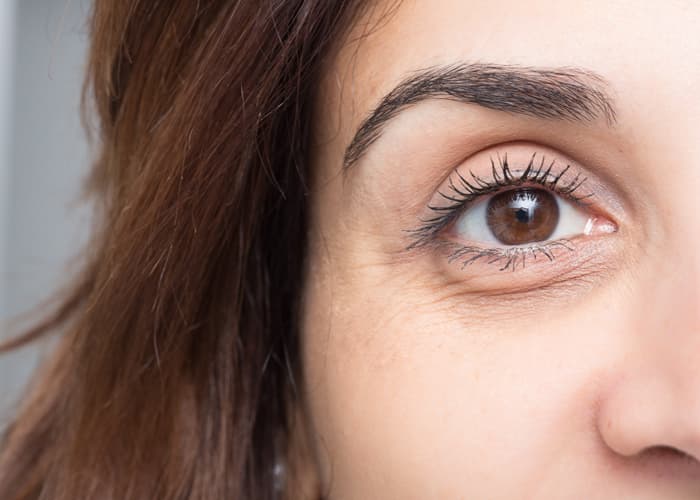
Another skincare buzzword making waves this year is skin longevity. As we age, our skin’s ability to stimulate collagen and retain moisture naturally declines. But probiotics can help slow this process by boosting the skin’s immune response and fighting oxidative stress—the damage caused by free radicals, which accelerates ageing.
The Science Behind Probiotics for Improving Aging Signs
In recent clinical trials, Lactobacillus and Bifidobacterium strains were shown to stimulate collagen production, enhancing skin’s firmness and elasticity. The result? A smoother, more youthful complexion.
For example, in a 2023 Journal of Cosmetic Dermatology study, probiotics were found to reduce the appearance of fine lines by enhancing the skin’s hydration levels and collagen synthesis. By adding probiotics to your routine, you’re not just treating the surface level—you’re strengthening your skin from within, preventing those early signs of ageing.
5. Promotes a Balanced, Radiant Complexion
Achieving healthy, glowing skin is all about balance—Whether it’s controlling oil production or combating dry patches, probiotics help bring harmony to your skin’s microbiome.
With the surge of interest in clean beauty and minimalistic skincare routines, probiotics have become a must-have ingredient to maintain that dewy, balanced glow.
When probiotics balance out the skin’s microbiome, they help reduce excess oil, hydrate dry spots, and give your complexion an overall radiant, smooth appearance. Probiotics are now a central part of the “skinimalism” trend—a minimalist skincare routine that emphasizes skin health over quick fixes.
6. Supports Sensitive Skin and Reduces Reactions to Products
As skincare routines become more intricate, many people find themselves dealing with sensitive skin reactions. The good news? Probiotics may hold the key to reducing skin sensitivity and irritation from new products.
By bolstering the skin’s barrier and improving its resilience, probiotics can help minimize irritation induced by harsh ingredients like acids.
With “skin resilience” being a major trend, probiotic skincare offers a way to protect your skin from negative reactions. More than just calming existing irritation, probiotics may also help prevent future sensitivities, making them ideal for anyone with reactive skin.
How to Use Probiotics for Skin: Best Ways to Include Them
If you’re wondering how to add probiotics to your skincare practice, here are some easy and effective ways:
1. Probiotic Skincare Products
Look for moisturizers, serums, and masks containing probiotics, especially strains like Lactobacillus or Bifidobacterium—both well-known for their skin benefits. Top brands have jumped on the probiotic skincare bandwagon, offering formulas designed to restore balance, soothe irritation, and enhance hydration.
2. Probiotic Supplements
Probiotic supplements benefits for skin can be a great way to staying healthy inside out. Capsules or powders containing strains like Lactobacillus acidophilus or Bifidobacterium have been shown to support skin health by reducing inflammation and promoting a healthier microbiome.
3. Fermented Foods
Fermented foods such as kimchi, sauerkraut, and kefir are rich in probiotics. Adding these foods to your diet can improve your gut health, which in turn supports your skin. Currently, many beauty influencers and dermatologists are recommending this holistic approach to beauty—probiotics in your diet and on your skin.
What Are Prebiotics and Probiotics—And Why Should You Care?
Prebiotics are food for good bacteria, while probiotics are the good bacteria themselves—working together to keep your gut (and skin!) healthy.
According to an MDPI review, both help balance your gut, reduce inflammation, and improve digestion. Want glowing skin and better gut health? Load up on these powerhouse foods or try a synbiotic supplement!
Final Thoughts: The Probiotic Revolution in Skincare
In a world where we’re always scouring for the next big thing in skincare, probiotics have progressed from the gut to the skin in full force. With their ability to balance bacteria, relieve irritation, and even combat the effects of ageing, probiotics deliver a natural, science-backed solution to a spectrum of common skin concerns.
Whether you incorporate them through skincare products, supplements, or fermented foods, probiotics should be an essential part of your skin routine.
There’s no doubt about it—probiotics are more than just a skincare trend—they’re a revolutionary ingredient that can transform your skin’s health and appearance for the long term. So, if you’re looking to improve your skin’s resilience, hydration, and overall glow, probiotics might just be the missing piece of the puzzle.
FAQs
Is curd a probiotic?
Absolutely! Curd is a natural probiotic powerhouse, packed with live bacteria that support gut balance—and a happy gut often means glowing, breakout-free skin! But here’s the catchits probiotic strength depends on how it’s made. While fresh, homemade curd is great, not all store-bought versions have the same active cultures. So, for maximum skin and gut benefits, go for the freshest pick!
How long does it take for probiotics to work on the skin?
You might start to see improvements in about 4 to 6 weeks, but to really get lasting results, it’s important to stick with it and be consistent.
Can probiotics cure acne?
Probiotics help regulate the skin’s microbiome, which can reduce acne-related inflammation and improve skin clarity, but they work best alongside other treatments.
Are there any side effects of using probiotics on the skin?
Probiotics are normally well-tolerated, but always patch-test new products is advisable, especially if you have highly sensitive skin.
Can I take probiotic supplements for my skin?
Yes! Probiotic supplements support skin health by reducing inflammation and improving gut health, which can directly impact your complexion.
Now that you know the power of probiotics, it’s time to make the most of this natural skincare miracle for your own healthy, luminous skin!