

A dark, patchy neck can be frustrating and a source of embarrassment. Whether it’s a few darker spots or a full-blown dark/black neck, you’re not alone in dealing with this common issue. While it may seem like an unsolvable problem, there are simple, natural ways to get rid of dark neck and restore your skin’s true colour.
Thankfully, most cases of a dark neck can be managed with a few easy-to-follow steps. So, if you’re ready to tackle this issue, here are 10 solutions to help you get rid of black neck for good. But, before we dive into the solutions, let’s talk about why your neck might be dark in the first place.
Highlights
- What Causes Dark Pigment on Neck?
- Symptoms of Black Neck: Key Signs to Watch For!
- How to Treat Black Neck?
- Take Away!
- FAQs
1. What Causes Dark Pigment on Neck?
Dark pigmentation on the neck is a common concern for many. Understanding the underlying factors can help you take the right steps toward treatment and prevention:
- Acanthosis Nigricans: Thick, darkened skin often linked to insulin resistance, obesity, or hormonal imbalances (like PCOS).
- Sun Exposure: UV rays trigger excess melanin production, leading to dark patches.
- Poor Hygiene or Skin Care: Infrequent washing, harsh products, or lack of exfoliation can cause buildup, leading to discoloration.
- Friction and Irritation: Tight clothing or frequent rubbing can darken the skin.
- Hormonal Changes: Pregnancy, birth control, or menopause can cause skin pigmentation changes.
- Skin Disorders: Conditions like eczema or psoriasis can result in darkened patches due to inflammation.
- Medications: Certain drugs (e.g., birth control, antibiotics) may cause pigmentation changes as a side effect.
- Vitamin Deficiencies: Lack of essential vitamins, especially B12, can lead to skin discoloration.
2. Symptoms of Black Neck: Key Signs to Watch For!
There are a few key symptoms that can help you identify a dark neck. Common symptoms of a black neck include:
- Hyperpigmentation: Darkening of the skin
- Hyperkeratosis: Thicker, rougher skin
- Velvety Patches: Soft, velvety texture
Additional symptoms may include:
- Itching or irritation
- Dryness or flakiness
- Unusual odor
- Rough skin texture
- Gradual color change
- Redness, swelling, or warmth
While most seen on the neck, it can also affect the armpits, groin, feet soles, knuckles, palms, and lips.
When to Seek Medical Attention
If you experience severe symptoms such as depression, constipation, fatigue, high blood pressure, loss of appetite, missed periods, or abdominal pain, it’s important to seek medical attention promptly. Early consultation can help identify any underlying health issues and prevent potential complications.
3. How to Treat Black Neck?
Black neck treatment requires a combination of natural remedies, proper skin care, and lifestyle changes. Here are some effective ways to lighten and restore your neck’s natural colour:
1. Natural Remedies for Black Neck :
- Sugar and Honey Scrub
You don’t need fancy products to exfoliate your neck. Simple ingredients you already have at home can also do the trick. Try mixing sugar and honey to create a natural scrub. Gently massage this scrub on your neck in circular motions for a few minutes, then rinse it off with lukewarm water. Exfoliating once or twice a week can make a noticeable difference.

- Lemon Juice for Natural Bleaching
Lemon juice, with its natural bleaching and exfoliating properties, helps lighten dark skin. Apply fresh lemon juice to your neck for 10 minutes, then rinse. Use with caution as it can increase sun sensitivity. Always apply sunscreen if you plan to go outside after using lemon juice on your skin. You can also dilute the juice with some water if you have sensitive skin.
- Use Aloe Vera Gel
Aloe vera soothes, hydrates, and helps lighten dark patches with its anti-inflammatory and pigmentation-reducing properties. Apply fresh or store-bought aloe vera gel to your neck for 20 minutes daily to gradually lighten the skin.

- Turmeric and Milk Paste
Turmeric is a well-known skin-brightening ingredient that’s often used in beauty treatments. Mixed with milk, it creates a powerful paste that can reduce the appearance of dark patches on your neck. Turmeric has anti-inflammatory and skin-lightening properties, making it perfect for this kind of issue.
To use, mix a pinch of turmeric powder with a little milk to form a thick paste. Apply it to your neck and let it sit for 15-20 minutes before washing it off with lukewarm water. You can do this 2-3 times a week for the best results.
- Cucumber for Cooling and Lightening
Cucumber helps lighten dark skin with its cooling, hydrating, and antioxidant properties. Simply rub cucumber slices on your neck for 10-15 minutes, or apply a cucumber paste for 15 minutes before rinsing. This soothing remedy can be used daily.
- Apple Cider Vinegar (ACV)
The alpha-hydroxy acids in ACV helps balance skin pH, exfoliate, and brighten dark skin. To use, dilute ACV with water, apply to your neck for 10-15 minutes, then rinse off. Always patch test first if you have sensitive skin.

- Moisturize with Coconut Oil
Coconut oil is a natural moisturizer that can help lighten dark patches on your skin. It contains antioxidants, vitamins, and fatty acids that nourish and hydrate your skin, promoting a smoother and brighter appearance. Coconut oil also has mild bleaching properties, making it a great choice for treating a dark neck. Simply massage it onto your neck before bed, leave it overnight, and rinse it off in the morning. For enhanced brightness, mix in a few drops of lemon juice. Use this nightly for a few weeks to see noticeable results.

2. Exfoliate Regularly
Exfoliating your neck is one of the most effective ways to deal with darkened skin. Over time, dead skin cells can build up, making your neck look dull and dark. By exfoliating regularly, you can remove those dead cells and reveal brighter, healthier skin underneath.
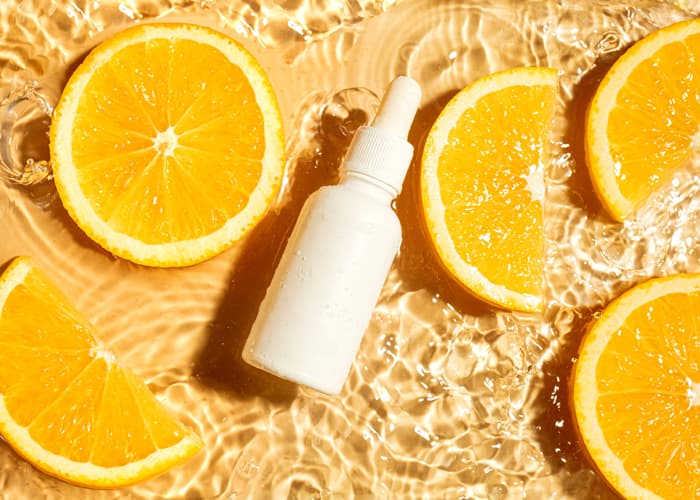
3. Use a Vitamin C Serum
Vitamin C is a powerful antioxidant that helps brighten skin and reduce dark spots. It works by inhibiting melanin production, which can help lighten darkened skin. Using a Vitamin C serum on your neck can help fade the discoloration and even out your skin tone.
After cleansing, apply a few drops of Vitamin C serum to dark areas on your neck, massage in, and follow with moisturizer. Don’t forget sunscreen, as Vitamin C increases sun sensitivity.
4. Protect Your Neck from the Sun
Sun exposure can make dark necks worse. UV rays can increase melanin production, which leads to more pigmentation. To prevent your neck from getting darker, always wear sunscreen with at least SPF 30 before heading out into the sun. You can also wear a scarf or high-collared shirts to shield your neck from direct sunlight.
Make sunscreen a daily habit, even if you’re just going outside for a short time, as consistent protection is key to preventing further darkening.

5. Consult a Dermatologist
If you’ve tried all the natural remedies and you’re still not seeing any improvement, it may be time to consult a dermatologist. Sometimes, dark necks can be a sign of underlying health issues such as insulin resistance, thyroid problems, or obesity. A dermatologist can help identify any medical causes and suggest treatments such as chemical peels or laser therapy to lighten the skin.
5. Take Away!
A dark neck can be caused by a variety of factors, but the good news is that it’s usually treatable. Whether you choose natural remedies like turmeric, aloe vera, or lemon juice, or incorporate products like Vitamin C serum and coconut oil, consistency is key. By following the steps outlined above, you can gradually lighten your neck and enjoy smoother, brighter skin.
Remember, everyone’s skin is different, so be patient and find the solution that works best for you. And if the problem persists or worsens, don’t hesitate to seek professional advice. Good luck, and here’s to a glowing, even-toned neck!
6. FAQs
1. How to get rid of a black neck overnight?
While you can’t completely lighten a dark neck overnight, you can start by applying a soothing remedy like aloe vera gel or coconut oil before bed. These ingredients hydrate and gradually fade discoloration with consistent use. Be patient and continue the routine for best results.
2. How to clean a black neck?
To clean a black neck, start by exfoliating regularly with a gentle scrub or natural ingredients like sugar and honey. Follow up with moisturizing to keep the skin hydrated and prevent further buildup. Keeping the neck clean with regular washing and exfoliation will help restore its natural tone over time.
3. Why is my neck black?
A darkened neck can be caused by various factors, including poor hygiene, friction, excessive sun exposure, or underlying health conditions like insulin resistance or hormonal imbalances. Identifying the cause is key to choosing the right treatment and improving the skin’s appearance.
4. How often should I exfoliate my neck to lighten dark skin?
Exfoliating once or twice a week is typically sufficient for most skin types. Over-exfoliation can lead to irritation, so be sure to use a gentle scrub and avoid aggressive scrubbing that could damage your skin.
5. Can a dark neck be prevented?
Yes, you can prevent a dark neck by practicing good hygiene, wearing sunscreen daily, avoiding friction from tight clothing, and staying hydrated. Regular exfoliation and moisturizing with natural oils can also help maintain a healthy, even skin tone.
6. Can dark neck skin be treated with over-the-counter products?
Yes, there are over-the-counter treatments like exfoliating scrubs, Vitamin C serums, and skin lightening creams that can help reduce dark pigmentation. However, it’s important to check the ingredients and choose products suitable for your skin type to avoid irritation.