

Exfoliation is one of the hottest buzzwords in skincare. Who doesn’t want that smooth, radiant, and glowing complexion, right? But in the quest for perfection, many of us unknowingly slip into the over-exfoliation trap—believing that scrubbing more means better skin!
Exfoliation can work wonders when done correctly, helping to remove dead skin cells, unclog pores, and reveal fresh, luminous skin underneath. But here’s the catch: just like anything good, overdoing it can backfire. If you’ve been over-scrubbing your skin, it’s a crucial time to step back and take a break.
In this blog, we’ll help you understand what over-exfoliation is, how to spot the signs, and most importantly, how to fix it!
Highlights
- What is Over-Exfoliation?
- Signs Your Skin is Over-Exfoliated
- What to Do If You’ve Over-Exfoliated Your Skin?
- Prevention Tips: How to Avoid Over-Exfoliating
- Final Thoughts!
- FAQs
What is Over-Exfoliation?
Exfoliation is key to glowing skin, but too much of a good thing can backfire! Over-exfoliation happens when you scrub too often or use products that are too harsh, leaving your skin dry, irritated, and extra sensitive.
Here’s what could be going wrong:
- Exfoliating too often – Overzealous exfoliation (whether that’s daily or multiple times a week) can be too much for your skin to handle, especially if you’re using potent exfoliants.
- Using the wrong products – Strong physical exfoliants, like rough scrubs with large, abrasive particles, or harsh chemical exfoliants packed with high concentrations of acids can do more harm than good if you overuse them or if they don’t suit your skin type.
- Mixing too many exfoliants – Mixing exfoliating toners, peels, serums, scrubs, and retinoids? That’s a recipe for disaster. You might think doubling up on exfoliants will give you glowing skin faster. But, it can actually do the opposite! While each product may work well on its own, combining them—especially if you exfoliate often—can strip your skin’s barrier and arouse sensitivity.
Signs Your Skin is Over-Exfoliated

How do you recognize if you’ve gone too far with exfoliation? Here are the telltale signs:
- Itchy Skin: Skin that is over-exfoliated often feels itchy and irritated. You might also notice that the itchiness becomes worse after you exfoliate.
- Super Sensitive Skin: If your over-exfoliated skin suddenly stings or burns when applying products that never bothered you before, that’s a big red flag—your skin barrier is compromised!
- Persistent Redness and Inflammation: You’ve gone a bit too far with exfoliation if your skin is constantly red, inflamed, or has an over-exfoliated skin rash-like appearance.
- Flaky or Peeling Skin: It’s a sign your barrier is damaged and shedding excessively.
- Dryness and Tightness: If your skin feels dry or tight, it could be a sign that you’ve stripped away too much of the natural oils and moisture your skin needs. Your skin feels parched, even after moisturizing.
- Breakouts: Ironically, too much exfoliation can actually cause more breakouts and small red bumps. When you rob away your skin’s natural oils and disrupt its barrier, your body may overcompensate by generating even more oil. This can block your pores and trigger over-exfoliation breakouts.
- Shiny Yet Irritated Skin: We all want that fresh, radiant glow, but over-exfoliating can do the opposite. Ever noticed your skin looking weirdly shiny but not in a healthy way? That’s a sign you’ve overdone it. Scrubbing too much strips away your skin’s natural texture, leaving it waxy, unnatural, and almost plastic-like.
If you’re nodding along to these symptoms, don’t worry—your skin can recover.
What to Do If You’ve Over-Exfoliated Your Skin?
1. Take a Break from Exfoliating
First and foremost, stop exfoliating for a while. No scrubs, no acids, no retinoids! Give your skin the time it needs to heal itself. Be patient and try to avoid the temptation to exfoliate too soon.
If you’re using a chemical exfoliant, put it on the shelf for a week or two. Likewise, stay away from scrubs and other physical exfoliants. During your recovery period, try to avoid heavy makeup or any products that might further stress your skin.
2. Go Back to Basics
When your skin is over-exfoliated, less is more. Stick to gentle, hydrating, and barrier-repairing products to help it recover.
- Cleanse Gently: Go for a mild, hydrating cleanser to avoid further irritation. Avoid harsh foaming cleansers with sulfates.
- Hydrate & Soothe: Use a serum with hyaluronic acid, panthenol, or allantoin to replenish moisture and calm irritation.
- Lock in Moisture: Opt for a rich moisturizer packed with ceramides, glycerin, shea butter, or squalane to strengthen your skin barrier.
Soothing creams and gels with cucumber extract can also help calm irritation. Aloe is a skin savior too! If possible, go for fresh aloe straight from the plant—it’s much gentler. Focus on a simple routine and let your skin breathe.
3. Avoid Hot Water and Harsh Products
Hot water is not your skin’s friend—especially if it’s already irritated. So, steer clear of hot water when washing your face, as it can further aggravate dryness. Stick to lukewarm water to keep dryness and irritation at bay.
And when it comes to skincare, check those labels! Avoid products with alcohol, fragrances, or harsh ingredients that can make things even worse. For quick relief, apply a cold compress to ease burning and discomfort. A light layer of mild hydrocortisone cream can help to calm redness and inflammation.
4. Prioritize Sun Protection

Over-scrubbed skin and the sun? Not a great combo! Since over-exfoliation removes the top layer of your skin and makes it extra vulnerable to UV damage, you need to protect your skin! Make sunscreen your BFF—use a broad-spectrum SPF 30+ daily, even if you’re indoors (yes, UV rays can even sneak through windows!).
5. Introduce Exfoliation Back Slowly
Once your skin has healed (this can take anywhere from 2-4 weeks), reintroduce exfoliation cautiously:
- Start with once or twice a week instead of daily.
- Look for a gentler formula.
- Don’t forget to follow up with a nourishing moisturizer to support barrier function.
6. Stay Hydrated and Eat Well
Keep it simple— Drink lots of water and eat skin-loving foods! Hydration helps your skin heal faster, so sip on water throughout the day. Besides plain water, try coconut water, fresh fruit juices, or even herbal teas to offer your skin an extra boost of nutrients and hydration. Add omega-3s from salmon, walnuts, or chia seeds to fight inflammation. Snack on berries and leafy greens for an antioxidant boost.
Vitamin C-loaded foods like strawberries, bell peppers, and oranges help repair your skin and support collagen. Try to limit caffeine and alcohol, as they can rob your skin of essential moisture. A few small changes can indeed make a big difference.
Prevention Tips: How to Avoid Over-Exfoliating
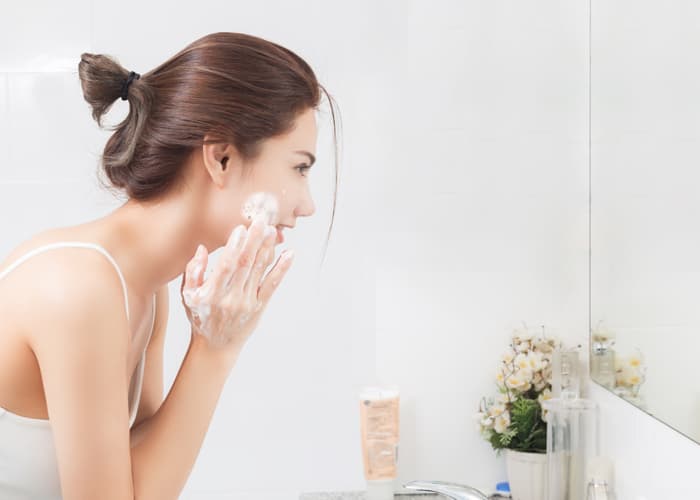
Now that you know how to treat over-exfoliated skin, let’s talk about prevention. It’s always a good idea to steer clear of the issue altogether. Here are some easy-peasy tips:
- Listen to Your Skin: If you spot dryness, redness, or irritation, scale back.
- Exfoliate in Moderation: Restrict exfoliation to 2-3 times a week (or even less if you have super sensitive skin). Watch out how your skin reacts—less is often more!
- Choose the Right Products: Pick skin-friendly exfoliants that are suited to your skin type.
- Oily/acne-prone? Go for salicylic acid.
- Dry/sensitive? Try lactic acid, glycolic acid, or enzyme exfoliants.
- Combination skin? A mix of AHAs & BHAs—just don’t overdo it!
- Avoid Using Multiple Exfoliating Products: Stick to one exfoliator at a time. Using multiple exfoliants can overwhelm your skin and cause irritation.
- Moisturize: Hydrated skin = a strong skin barrier, which means less risk of irritation. So, load up on a good moisturizer!
- Always Patch-Test First: Trying a new exfoliant? Do a quick patch test first to confirm that your skin can handle it without any kind of irritation. It’s a simple effort that can save you from redness, burning, or unexpected breakouts.
Final Thoughts!
We all love that fresh, glowing skin feeling after a good exfoliation session. It’s indeed amazing, but balance is key! If you think you’ve overdone it, don’t stress – with the right care, your skin can heal and return to its natural glow.
Just remember to hydrate, soothe, and let your skin repair at its own pace. Keep it simple: exfoliate in moderation, choose products that suit your skin, don’t forget sunscreen, and always listen to your skin. Happy skincare!
FAQs
1. How long does over-exfoliated skin last?
Mild cases can recover in a few days, while more severe damage may take 2-4 weeks with proper care.
2. Does over-exfoliating cause acne?
Yep, over-exfoliating can definitely mess with your skin and cause breakouts! When you strip away too much of your skin’s barrier, it freaks out—getting irritated, producing more oil, and becoming extra sensitive to bacteria. The result? Pimples, redness, and even more skin issues.
3. How to heal over exfoliated skin overnight?
While your skin won’t fully heal overnight, you can calm irritation and start the repair process! Skip exfoliation & active ingredients – Give your skin a break from AHAs, BHAs, and retinoids. Instead, slather on a soothing, fragrance-free moisturizer with ceramides, glycerin, or squalane to restore your skin barrier.
Lock in moisture with a hydrating balm and use aloe vera or panthenol to ease redness. And don’t forget SPF the next day—your skin needs protection!
4. Can I use retinol after over-exfoliation?
No! Your skin needs time to heal first. Over-exfoliation weakens your barrier, and adding retinol too soon can make things worse. So, wait until your skin feels normal again and then reintroduce retinol slowly.
5. Can I wear makeup if my skin is over-exfoliated?
It’s best to avoid makeup, but if needed, stick to lightweight, hydrating formulas.
6. What’s the best moisturizer for over-exfoliated skin?
If your skin is over-exfoliated, you need a gentle, barrier-repairing moisturizer with soothing and hydrating ingredients like ceramides, squalane, hyaluronic acid, glycerin, or shea butter.
7. Can I use a face mask to soothe over-exfoliated skin?
Yes! You can use a hydrating and soothing face mask for over-exfoliated skin. Just look for calming ingredients like aloe vera, oatmeal, or honey. Avoid clay, peel-off, or exfoliating masks as they can worsen irritation.