
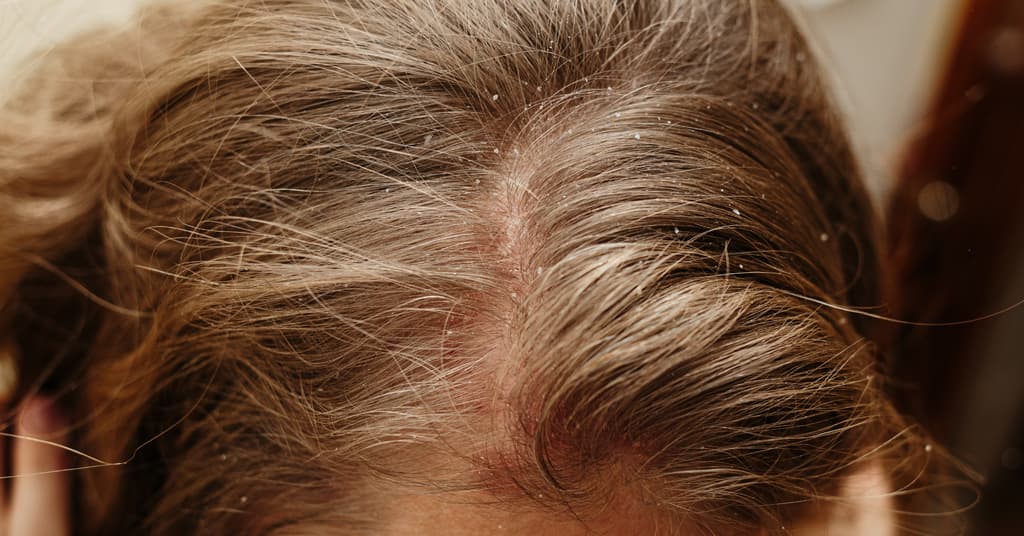
Scalp psoriasis can be frustrating, but you’re not alone! The itching, flaking, and irritation can feel overwhelming, but with the right care, you can keep it under control. With the right approach, you can soothe your scalp and regain confidence in your daily routine.
Let’s break down what works, what doesn’t, and how to keep your scalp happy.
Highlights
- What is Scalp psoriasis?
- Who gets Scalp psoriasis?
- Symptoms of Scalp Psoriasis
- Dos and Don’ts for Scalp Psoriasis
- Treatment Options
- When to See a Doctor
- FAQs
What is Scalp Psoriasis?
This condition develops when the body makes skin cells too quickly, causing them to pile up and form visible patches or spots on the scalp. It’s not contagious, but it does require ongoing management. Understanding the condition is the first step to keeping it under control.
Who Gets Scalp Psoriasis?
Anyone can develop scalp psoriasis, but it’s more common if you have a family history of psoriasis or autoimmune diseases. It usually appears between ages 15 and 35, though it can happen at any age. Both men and women are equally affected.
Symptoms of Scalp Psoriasis
Scalp psoriasis can range from mild to severe, with symptoms that may come and go. Recognizing the signs early can help you manage flare-ups effectively. Here’s what to look out for:
- Red, inflamed patches on the scalp
- Thick, silvery-white scales that flake off
- Persistent itching, burning, or soreness
- Dry, cracked skin on the scalp
- Temporary hair loss due to scratching or inflammation
If your symptoms aren’t improving or seem to be getting worse, it might be time to check in with a dermatologist. They can help pinpoint the best treatment plan to keep your scalp calm and comfortable.
Managing scalp psoriasis effectively means knowing what helps and what makes it worse.
Small daily habits can make a big difference in reducing symptoms and keeping your scalp healthy. Here’s your go-to guide for what to do—and what to avoid!
- Use a Medicated Shampoo—Look for ingredients like coal tar, salicylic acid, or ketoconazole to reduce flaking and inflammation.
- Keep Your Scalp Hydrated—Use lightweight, fragrance-free moisturizers to prevent dryness and irritation.
- Wash Gently—Use lukewarm water and massage your scalp carefully to avoid triggering flare-ups.
- Apply Scalp Treatments—Topical corticosteroids, vitamin D analogs, and medicated ointments help control symptoms.
- Protect Your Scalp from the Sun—Limited sun exposure can help, but always use SPF when stepping outside to avoid burns.
- Manage Stress—Stress can trigger flare-ups, so try relaxation techniques like yoga or meditation.
- Eat a Skin-Friendly Diet— Anti-inflammatory foods like fish, nuts, and leafy greens can support scalp health.
- Consult a dermatologist—regular check-ups ensure you’re on the best treatment plan.
Don’ts:
- Scratch or Pick at Your Scalp—This can worsen inflammation, lead to infections, and cause hair loss.
- Drink Excessive Alcohol or Smoke—Both can trigger flare-ups and interfere with treatments.
- Use Harsh Hair Products—Avoid sulfates, alcohol-based products, and heavily fragranced shampoos.
- Overwash Your Hair—Washing too often strips natural oils, making your scalp drier and itchier.
- Use Hot Water—Hot showers can make dryness and irritation worse.
- Wear Tight Hairstyles— Pulling on your scalp can increase irritation and damage your skin barrier.
Treatment Options for Scalp Psoriasis
Scalp psoriasis treatment requires a combination of medical treatments and lifestyle adjustments. While there’s no one-size-fits-all solution, the right approach can help soothe irritation, reduce flaking, and keep flare-ups at bay.
From medicated options to natural remedies, here’s what can help you maintain a healthier scalp.
Medical Treatments:
- Topical corticosteroids– Reduce inflammation and itching.
- Vitamin D analogs– Slow down excessive skin cell growth.
- Salicylic acid– Helps loosen and remove stubborn scales.
- Coal tar preparations– Reduce scaling and slow down cell turnover.
- Prescription medications– Severe cases may need oral or injectable biologics.
Home Remedies and Lifestyle Tweaks:
- Gentle Hair Washing– Medicated shampoos help keep your scalp balanced and flake-free.
- Coconut or Olive Oil Treatments– Loosen scales and soothe irritation.
- Oatmeal or Apple Cider Vinegar Rinses– Calm itching and redness.
When to See a Doctor?
If over-the-counter treatments aren’t helping or symptoms are getting worse, see a dermatologist. They can offer prescription treatments that make a big difference in keeping your scalp healthy.
Final Thoughts Scalp psoriasis may be a long-term condition, but it doesn’t have to dictate your life. With the right approach, effective treatments, and expert guidance, you can manage flare-ups and maintain a healthy, comfortable scalp. Empower yourself with the right care—because your scalp deserves lasting relief!
FAQs
Is Scalp Psoriasis Curable?
There’s no permanent cure, but it’s highly manageable with the right treatments and lifestyle habits. By avoiding triggers, using medicated shampoos, and following a dermatologist-approved plan, you can keep symptoms under control and reduce flare-ups. Consistency is key!
How is Scalp Psoriasis Different from Dandruff?
Scalp psoriasis causes red patches with thick silvery scales, while dandruff involves white, greasy flakes without inflammation. If your symptoms include redness, soreness, and persistent scaling that doesn’t go away with regular anti-dandruff shampoo, it’s more likely psoriasis.
Should I Avoid Certain Foods?
Dairy, sugar, and processed foods can increase inflammation, potentially worsening scalp psoriasis. Alcohol and smoking can also aggravate symptoms. Instead, focus on a diet rich in omega-3s, leafy greens, and whole foods to support overall skin health.
How Often Should I Wash My Hair?
It’s best to wash your hair 2-3 times a week using a medicated shampoo. Overwashing can strip away natural oils, causing dryness and irritation. On non-wash days, a gentle scalp massage or hydration treatment can help maintain balance.