

If you’re looking for radiant, younger-looking skin, the answer could lie in antioxidants. They’re packed with benefits that go beyond just preventing damage, antioxidants can also hydrate, brighten, and even out your skin tone.
The best part? They work to support your skin’s natural functions, giving you healthier, more glowing skin over time.
Here’s a user-friendly guide to the best antioxidants for skin that you should add to your skincare regimen.
Highlights
- What Are Antioxidants and Why Do They Matter for Skin?
- Benefits of Antioxidants for Your Skin
- 7 Effective Antioxidants to Add to Your Skin Care Routine
- Other Notable Antioxidants for Your Skin
- To Sum Up
- FAQs
What Are Antioxidants and Why Do They Matter for Skin?
Antioxidants are ingredients that protect your skin from free radical damage from pollution and sun exposure. These free radicals harm your skin and cause early aging signs like wrinkles, dark spots and so on.
Luckily, antioxidants have the potential to neutralize these harmful molecules. They do so by reducing inflammation, brightening your skin, and protecting it from sun damage.
Benefits of Antioxidants for Your Skin
Antioxidants benefits for skin are numerous from clearer skin, helping to treat acne and giving you the glow you want. Here are some reasons how antioxidants can be helpful.

- Reduces the Look of Fine Lines: Antioxidants protect your skin from damage, helps to smooth out the appearance of wrinkles, fine lines and prevents premature aging.
- Boosts Radiance: Ingredients like Vitamin C and Niacinamide brighten the skin, helping to fade discoloration and give you a healthy glow.
- Defends Against Environmental Stress: Antioxidants like Vitamin E and CoQ10 strengthen your skin’s natural defenses, protecting it from pollution and UV damage.
- Supports Healthy Skin Renewal: Regular antioxidant use encourages skin regeneration, improving texture and leaving your skin feeling fresh and soft.
Adding antioxidants to your skincare routine helps keep it youthful and glowing. Want to know what are the best antioxidants for skin care? Read below to find out.
7 Effective Antioxidants to Add to Your Skin Care Routine
If you’re looking to upgrade your skincare routine, antioxidants are a must. Here are the top 7 antioxidants that can keep your skin healthy, glowing, and youthful.
1. Vitamin C
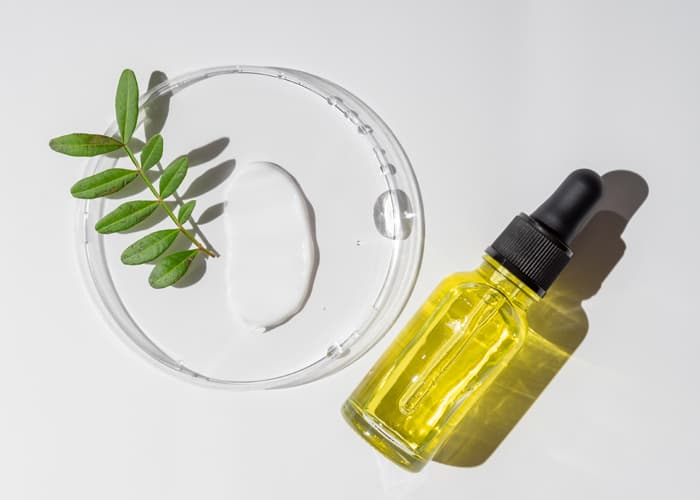
Vitamin C is one of the most essential antioxidants for skin health. It helps to neutralize free radicals and stimulates collagen production, which leads to firmer, smoother skin. Vitamin C is known for its ability to brighten dark spots, reduce hyperpigmentation, and improve skin texture.
Vitamin C is abundant in natural sources like citrus fruits (oranges, lemons), berries (strawberries, blueberries), and vegetables (bell peppers, broccoli, spinach).
How to use: Apply a few drops of Vitamin C serum, cleanser or moisturizer to your face, both in the morning and at night. In the morning, follow sunscreen to protect from UV damage. At night, pair with a nourishing moisturizer. Avoid using Vitamin C with exfoliating acids to prevent irritation.
2. Coenzyme Q10 (CoQ10)
CoQ10 is a powerful antioxidant that helps to regenerate skin cells and reduce signs of aging. It boosts the skin’s natural energy and protects it from UV-induced damage. CoQ10 also has anti-inflammatory properties, making it ideal for sensitive or irritated skin.
CoQ10 is naturally found in foods like oily fish, organ meats, and spinach, providing antioxidant protection and supporting skin regeneration.
How to use: Apply Coenzyme Q10 (CoQ10) serum or moisturizer to your face after cleansing, both in the morning and at night. In the morning, follow with sunscreen to protect from UV damage. At night, pair with a nourishing moisturizer to enhance its skin-repairing benefits.
3. Green Tea
Green tea is packed with polyphenols, particularly epigallocatechin gallate (EGCG), which is known for its potent antioxidant properties. It soothes and protects the skin from oxidative damage and reduces redness.
How to use: Apply a Green Tea-infused serum, cleanser, or moisturizer to your face after cleansing, both in the morning and at night. In the morning, follow sunscreen to protect from UV damage. At night, pair with a nourishing moisturizer to enhance its calming effects.
4. Vitamin E
Vitamin E is another crucial antioxidant that works wonders in moisturizing the skin while protecting it from sun damage and pollution. It also helps to repair damaged skin and is highly effective for reducing scars and fine lines.
Vitamin E is naturally found in foods like almonds, sunflower seeds, and avocados, providing antioxidant protection and promoting skin hydration.
How to use: Apply a Vitamin E serum or use a moisturizer containing Vitamin E to your face after cleansing, preferably at night. This helps with hydration and skin repair while you sleep.
5. Retinol (Vitamin A)
Retinol is a powerhouse ingredient in the skincare world, known for its ability to promote cell turnover and prevent the breakdown of collagen. It helps to minimize fine lines, wrinkles, and hyperpigmentation.
How to use: Start with a low concentration of retinol in your PM routine, applying it after cleansing and before moisturizing.
6. Resveratrol
Resveratrol, a polyphenol found in red wine, berries, and grapes, is a powerful antioxidant that protects the skin from UV damage and helps with anti-aging. It’s known for its anti-inflammatory properties, which can reduce the appearance of redness and puffiness.
How to use: Look for resveratrol in serums or face oils, ideally used at night.
7. Niacinamide (Vitamin B3)
Niacinamide is a versatile antioxidant that helps to strengthen the skin’s barrier, reduce hyperpigmentation, and improve elasticity. It also reduces the appearance of pores and fine lines.
Niacinamide is found in foods like meat, fish, and whole grains, helping to reduce inflammation and improve skin texture.
How to use: You can use niacinamide products daily, incorporating them into both your morning and evening skincare routine. After cleansing and toning, apply a niacinamide serum (ideally with 5% niacinamide), then follow with a moisturizer to lock in hydration. In the morning, finish with sunscreen to protect your skin from UV damage.
Other Notable Antioxidants for Your Skin
Other great antioxidants to consider for your skin include:
- Astaxanthin: Powerful anti-aging compound derived from algae.
- Polyphenols: Found in foods like berries and tea, they reduce inflammation and protect skin cells.
- Flavonoids: Present in citrus fruits and dark chocolate, they help defend against oxidative stress.
- Lycopene: Found in tomatoes and red fruits, it shields the skin from UV damage.
- Silymarin (Milk Thistle): Known for its skin-rejuvenating and anti-inflammatory properties.
- Curcumin (Turmeric): Brightens the complexion and soothes irritation.
- Ferulic Acid: Stabilizes other antioxidants and boosts their effectiveness.
Together, these antioxidants provide a comprehensive approach to protecting, repairing, and revitalizing your skin.
To Sum Up
Antioxidants are skincare wonders! Incorporating powerful antioxidants into your skincare routine can significantly improve your skin’s health and appearance. Whether you’re looking for anti-aging benefits, brighter skin, or a more even complexion, antioxidants are the key to unlocking healthier, more radiant skin.
Remember to choose products with stabilized and potent forms of these antioxidants and always use sunscreen to protect your skin from sun damage while you enjoy the full benefits of your antioxidant-rich routine.
FAQs
1. Can I use multiple antioxidants in my skincare routine?
Yes! Combining different antioxidants can offer even greater protection and skin benefits such as:
- Niacinamide + Vitamin C
- Retinol + Niacinamide
Just be sure to introduce them slowly to avoid irritation. Be careful when pairing different antioxidants as some combinations can have disastrous effects on your skin, such as the use of retinol with vitamin C which can lead to excessive skin irritation.
2. How do I know if my skincare product has effective antioxidants?
Look for products with well-known, stable forms of antioxidants like Vitamin C (ascorbic acid), Vitamin E, or Niacinamide. Check the ingredients list for quality and concentration.
3. When should I apply antioxidants in my skincare routine?
Apply antioxidants after cleansing and before moisturizing. Some antioxidants are more efficacious when used in the morning, such as Vitamin C and Niacinamide, while some work best at night, like Retinol and Resveratrol.
4. Can antioxidants replace sunscreen?
No, antioxidants are not a substitute for sunscreen. Always use a broad-spectrum sunscreen with an SPF of 30 or more in your routine to protect your skin from UV damage, even when using antioxidant-rich products.
5. What is the best antioxidant for your skin?
Some of the top antioxidants for skincare include Vitamin C, Vitamin E, resveratrol, niacinamide, retinol (Vitamin A), green tea, and coenzyme Q10. These powerful ingredients help protect, brighten, and revitalize the skin.
Regular use of these antioxidants can enhance your skin’s overall health, reduce signs of aging and promote a radiant, healthy glow.