
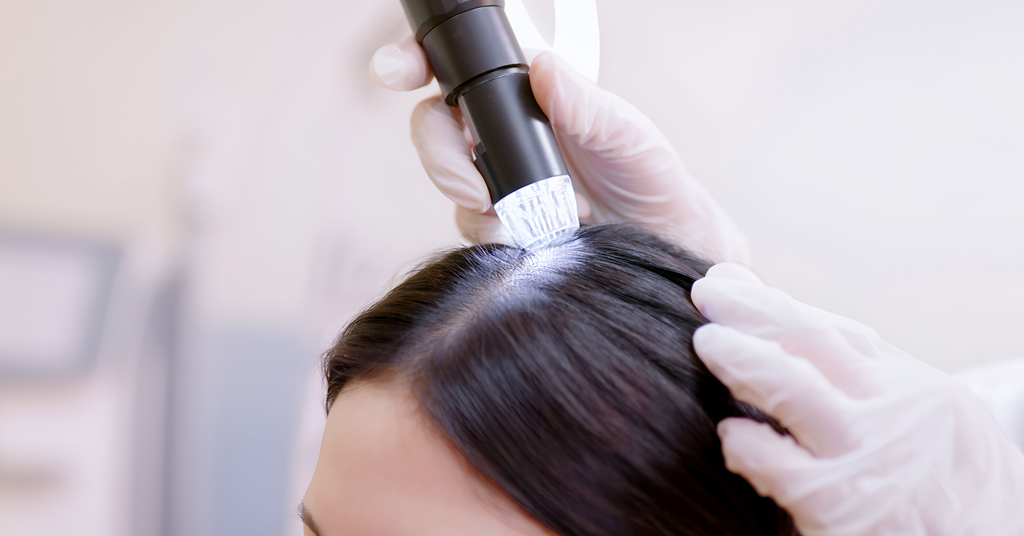
Flaky scalp? Oily roots? Thinning strands? These common hair issues often start where most people forget to look — the scalp. And if you’re only focusing on your hair, you’re missing the foundation of real hair health.
Scalp care is quickly becoming the new skincare. Why? Because your scalp is skin too. The good news? A targeted scalp routine can change everything. From purifying washes to leave-in treatments, the right care can clear buildup, balance oil, and support stronger hair from the root.
Ready to find out why scalp care matters — and how it can completely upgrade your hair routine? Let’s get into it. Because great hair starts at the root.
Highlights
- What is Scalp Care
- Why is Scalp Care Important
- Why Scalp Care Deserves the Same Attention as Skincare
- Scalp Problems That Need Attention
- Understanding your Scalp Type
- Step by Step Guide for Scalp Health
- Scalp Care a Weekly Routine
- To Sum Up
- FAQs
What Is Scalp Care?
Scalp care is the practice of cleansing, hydrating, exfoliating, and protecting the skin on your head — much like your regular skincare routine. It’s important to maintain scalp health, decrease itchiness, prevent dandruff, and boost healthy hair growth.
FACT: Hair loss isn’t just genetic — your scalp and gut microbiome may be playing a hidden role too!
Why Is Scalp Care Important?
Do you know that human hair grows about 0.35 mm every day—roughly the width of a grain of sand? While you’re gaining length, you’re also naturally shedding around 100 strands daily. Meanwhile, tiny sebaceous glands work behind the scenes, keeping your scalp moisturized with natural oils for healthy, shiny hair. When neglected, it becomes a breeding ground for:
- Bacteria and fungi
- Product and sebum buildup
- Irritation and clogged follicles
A clean, nourished scalp improves hair care outcomes and ensures stronger, shinier, and longer-lasting hair.
Why Scalp Care Deserves the Same Attention as Skincare
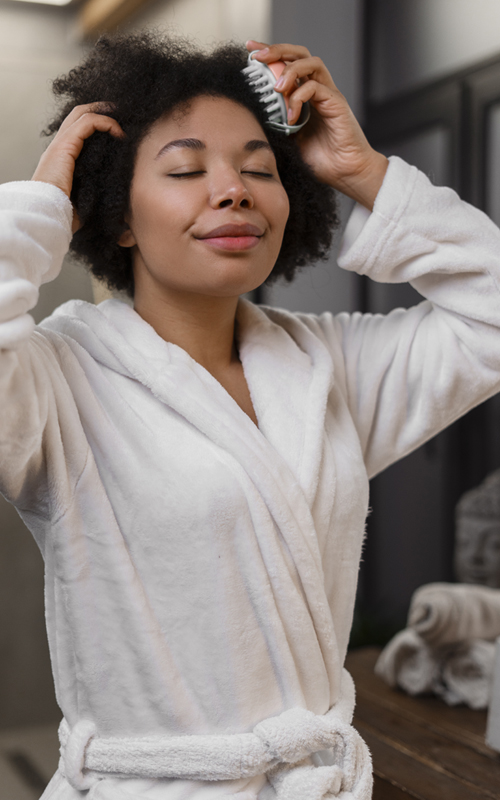
Your scalp faces daily exposure to UV rays, pollution, and product buildup, just like your face. These stressors can weaken new hair before it grows, making it fragile and prone to breakage.
Scalp care has become a key part of holistic beauty. Giving it the same care as your face helps maintain stronger, healthier hair over time.
Let’s explore common scalp issues — and how the right care can make a real difference.
Scalp Problems That Need Attention
Neglecting your scalp health can lead to serious scalp problems that not only cause discomfort but also hinder hair growth. From dandruff to chronic disorders like psoriasis, identifying these problems at the earliest can make a huge change.
- Dandruff: Caused by fungal overgrowth or dry skin
- Folliculitis: Inflamed hair follicles leading to bumps
- Scalp acne: Blocked pores due to product buildup
- Itchy scalp: Often due to sensitivity or poor hygiene
- Psoriasis or eczema: Chronic skin disorders of the scalp
Identifying your scalp type — oily, dry, combination — is key to choosing the right care routine.
Understanding Your Scalp Type
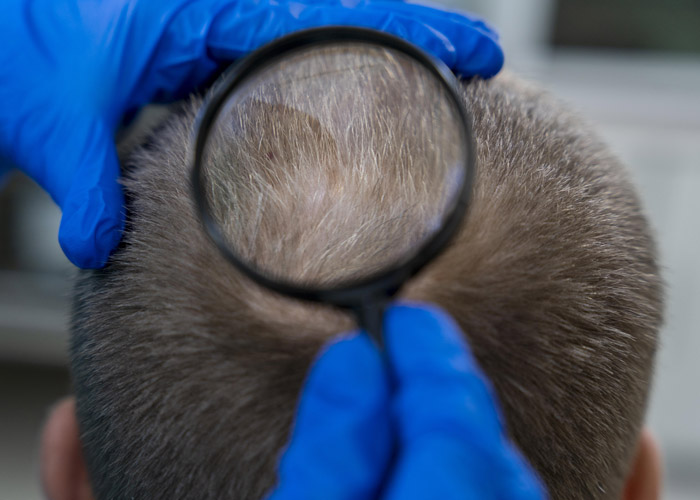
Just like facial skin, your scalp can be oily, dry, or combination — and understanding your scalp type is key to building the right hair care routine with no scalp problems. Here’s how to identify yours:
1. Oily Scalp
- Feels greasy within a day of washing
- Hair may look flat or limp at the roots
- More prone to dandruff caused by excess sebum
- Needs frequent cleansing and lightweight, clarifying products
2. Dry Scalp
- Feels tight, itchy, or flaky after washing
- Visible white flakes (often confused with dandruff)
- May cause brittle or frizzy hair due to lack of moisture
- Benefits from hydrating shampoos and nourishing oils
3. Combination Scalp
- Oily at the crown or roots, but dry or flaky at the edges or nape
- Often experiences both buildup and dryness simultaneously
- Requires a balanced approach: gentle cleansing with targeted hydration
Pro Tip: Your scalp type can change with the seasons, hormones, or lifestyle changes, so re-evaluate it every few months to keep your routine aligned.
Step by Step Guide for Scalp Health

A healthy scalp is the secret to vibrant, resilient hair. Here’s your easy and proven method to achieve it:
1. Gentle Cleansing
Wash your scalp 2–3 times a week using a sulfate-free shampoo that suits your scalp type. This removes dirt, excess sebum, and prevents clogged follicles.
2. Weekly Exfoliation
Exfoliate your scalp once a week to slough off dead skin, flakes, and product buildup. Go for ingredients like salicylic acid or glycolic acid and target dandruff from its main source.
3. Nourishment and Hydration
Apply hair serum to reduce hair fall and improve hair growth by increasing follicular density. The formulation helps maintain moisture, supports scalp health, and may soothe irritation with its natural ingredients.
4. Massage for Blood Flow
Scalp massage improves circulation and promotes hair growth. Daily for 5 minutes use a scalp massager or your fingertips in a circular motion.
5. Sun Protection
You must use SPF sprays, caps, or scarves to protect your scalp from UV damage. This helps prevent sunburn and early scalp aging.
6. Balance Your Diet
The evidence suggests that nutrients like protein are important for maintaining a healthy scalp and supporting normal hair growth. A poor diet can directly impact oil production and follicle health.
Another way to reduce hair damage that may result from shampooing is to avoid the hair shaft from alkalinization.
Scalp Care Routine: A Weekly Schedule
You’ve got your skincare routine down — cleanser, serum, sunscreen — but what about the skin hiding under your hair? That required stretch of the skin under your hair often gets ignored, even though it’s very important.
Healthy hair starts with a happy scalp—and this 7-day routine is your no-fuss guide to getting there. From gentle cleansing and nourishing serums to exfoliation, oil massages, and even sun protection, each day targets a different aspect of scalp care.
Day | Routine Step | Products to Use |
Monday | Cleanse + Massage | Sulfate-free shampoo, fingers |
Tuesday | Lightweight scalp serum | |
Wednesday | Rest |
|
Thursday | Clarifying shampoo + scalp scrub | |
Friday | Oil Massage | |
Saturday | Sun Protection + Lotion | SPF spray / Serum |
Sunday | Include protein & iron-rich foods |
To Sum Up
Your scalp is not just a base for your hair — it’s living, breathing skin that needs just as much care as your face. Think of it as the soil where your hair grows — and like any garden, if the soil is dry, irritated, or neglected, the roots will suffer.
A consistent, mindful scalp care routine can help fight flakes, reduce oiliness, calm irritation, and even support stronger, thicker hair over time. Because beautiful hair begins with a healthy scalp — and now, you know exactly how to care for it.
FAQs
1. What is scalp care and why is it a major step?
Scalp care requires cleansing, moisturizing, and protecting your scalp to promote healthy hair growth. It prevents issues like dandruff, irritation, and clogged follicles which impact your overall hair health.
2. How can I improve scalp care naturally?
Use sulfate-free shampoos, exfoliate weekly, massage regularly with natural oils or serums, and eat a balanced diet rich in protein and vitamins to improve your scalp care routine at home.
3. Can poor scalp health lead to hair fall?
Yes, an unhealthy scalp with clogged pores or inflammation can weaken hair roots and lead to thinning, breakage, or excessive hair fall over time. Using a dermatologist-recommended scalp care solution with antifungal and soothing properties can help improve scalp health, thereby supporting healthier hair growth.
4. How do I know my scalp type?
Oily scalps tend to get greasy within a day of washing, while dry scalps often feel tight or flaky. If your scalp seems to have oil in some areas but dryness in others, you might have a combination type — and that’s totally normal.
5. Is scalp care really effective?
Absolutely! Scalp serums, shampoos, lotions hydrate and strengthen follicles, while scrubs remove buildup and improve absorption of nutrients, promoting healthier, fuller hair.