
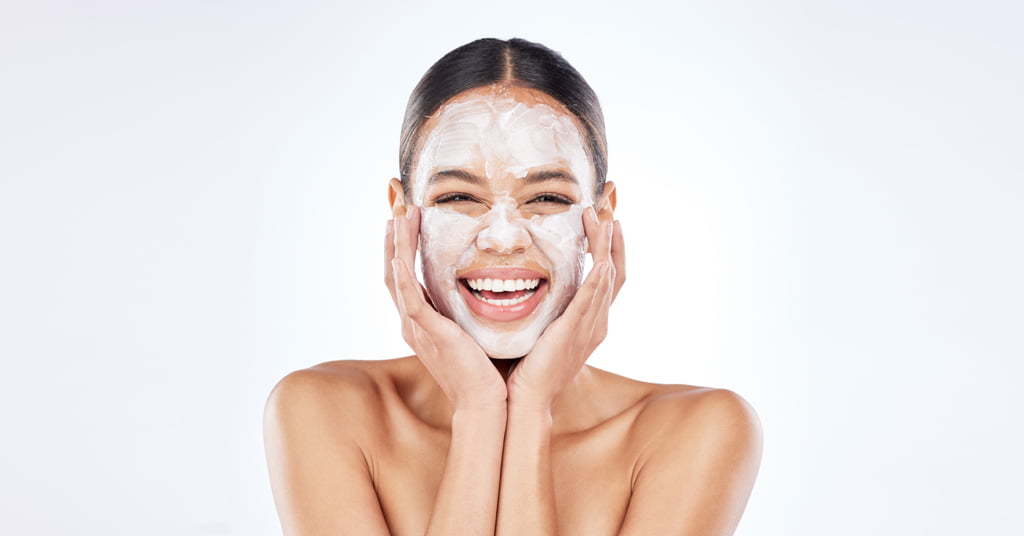
We’ve all been there—nothing beats a relaxing weekend skincare routine, complete with your favourite playlist and that indulgent face mask! You apply it, hoping it’ll end your dry patches, breakouts, or dullness.
Then, you wake up the next morning—skin looking…fine. Not glowing, not even really refreshed, but just fine. So, what went wrong?
Welcome to the world of face masks. They’re a skincare staple, adored for their quick fixes and instant glow-ups. But here’s the thing: using a face mask may not work the same for everyone. While some might swear by daily masking, others can go overboard and end up causing more harm than good. Understanding how often you should use a face mask really depends on your skin type and its needs. Time to take a closer look!
Highlights
- The Basics: Why Face Masks Work
- How to use Face Mask?
- How Often Should You Use a Face Mask Based on Your Skin Type?
- How to Make the Most Out of Your Face Mask?
- To Sum Up
- FAQs
The Basics: Why Face Masks Work

Before we talk about how often to use a mask, let’s remind ourselves why they’re so loved in the first place.
Face masks are designed to deliver concentrated ingredients directly to your skin. Whether it’s hydration, exfoliation, or deep cleansing, they provide a quick and effective way to target specific skin concerns.
But like anything else in skincare, balance is key—more isn’t always better.
How to use Face Mask?
Never used a face mask before or just looking for a refresher—let’s go through the simple steps to make sure you get the most out of your mask. Trust me, it’s easier than you think!
Step 1: First Things First-Cleanse!
Before you do anything, make sure your face is free of all the dirt, oil, and makeup so the mask can work its wonders. Wash your face with your gentle face cleanser, pat it dry with a towel, and you’re good to go forward to the next step!
Step 2: Apply Evenly
Now, grab your face mask and apply a generous layer to your face—avoiding your eyes and lips, of course! Whether it’s a creamy mask, gel, or sheet mask, try to spread it evenly so you get the full benefits. If you’re using a clay mask, a thin layer is all you need.
Step 3: Keep Track of Time
Stick to the usage instructions and don’t leave the mask on for longer duration. It’s easy to think, “The longer, the better,” but some masks can dry out your skin or cause irritation if left on too long.
Set a timer for the recommended time (usually around 10-15 minutes) and relax while it works its magic.
Step 4: Rinse or Remove
When the time’s up, simply wash off the mask with warm water (or peel off the sheet mask if you’re using one!). Be gentle with your skin—no harsh scrubbing-Please! And when you are done- pat your face dry.
Step 5: Give your Skin a Final Boost with Moisturizer
After masking, your skin might be feeling refreshed but could also need a little moisture boost. Apply your favourite moisturizer to lock in all that goodness the mask just gave you.
And that’s it! Easy, right? Face masks are an easy, enjoyable way to pamper your skin, so, sit back, relax, and let your skin reap the rewards!
How Often Should You Use a Face Mask Based on Your Skin Type?

Now, let’s get into the nitty-gritty. Here’s a simple guide on how often to use the best face mask based on your skin type and its needs:
1. Dry Skin: Hydration is Key
Mask Frequency: 2-3 times a week
Why it Works: Dry skin desires hydration, and a good moisturizing mask can be a game-changer. Opt for hydration-boosting masks with actives such as glycerin, hyaluronic acid or ceramides.
These help to draw moisture into your skin and lock it in. For dry skin, over-masking can sometimes irritate, so keep it to a couple of times a week to give your skin the moisture it needs without overwhelming it.
2. Oily or Acne-Prone Skin: Treat with Care
Mask Frequency: 1-2 times a week
Why it Works: Oily and acne-prone skin can benefit from masks that focus on balancing the oil production or deep cleansing the pores.

Clay or charcoal face masks are the saviours! They absorb excess oil/sebum and help to clear out dirt or impurities. But don’t overdo it! Overmasking can rob your skin’s natural moisture, resulting in more oil production and possible breakouts or pimples. Stick to using it once or twice a week.
3. Sensitive Skin: Less is More
Mask Frequency: Once a week
Why it Works: Sensitive skin can react poorly to strong ingredients, so opt for masks that moisturize and soothe the skin.
Masks that have ingredients like aloe vera, chamomile, or honey are a breather for this skin. Since sensitive skin can be easily irritated, it’s best to keep your masking routine light—once a week is often enough to give your skin a gentle boost without causing discomfort or redness.
4. Combination Skin: Balance is Key
Mask Frequency: 2-3 times a week
Why it Works: Combination skin can be tricky to navigate because it has the traits of essentially two different skin types. The key here is to find masks that balance oil and hydration.
Hydrating masks for the dry areas, and clay or charcoal masks for the oily zones (typically the T-zone). Since your skin needs more attention in different spots, you can use a combination of masks throughout the week—just be mindful not to overwhelm your skin.
5. Dull or Dehydrated Skin: Bring on the Glow
Mask Frequency: 2-3 times a week
Why it Works: If your skin is looking tired, lacklustre, or generally dull, a brightening or hydrating mask is your best friend.
Masks infused with vitamin C, glycolic acid or fruit enzymes (AHAs) can be your go-to solution. These can gently exfoliate, hydrate, and restore that natural radiance. Anti-pollution face masks act as your skin’s shield to fight off dirt, grime, and the city’s chaos! Use of these masks a couple of times a week can help reveal brighter, smoother skin.
How to Make the Most Out of Your Face Mask?
- Patch Test First: Always patch test a new mask to avoid the chances of irritation, especially if you have sensitive skin.
- Follow the Instructions: Each mask has its optimal wear time. Don’t leave it on for too long thinking it’ll work better—it could backfire.
- Prep Your Skin: Cleanse your skin before applying a mask. This helps the ingredients penetrate more effectively.
- Finish with Moisturizer: After masking, apply your usual moisturizer to lock in all the goodness.
To Sum Up
Face masks are a fun and effective way to give your skin a boost, but they aren’t a cure-all. Finding the right face mask for all skin types is key to unlocking healthier, glowing skin. Understand that dry skin needs hydration, acne-prone skin benefits from simplicity, and combination skin thrives with a multi-mask approach.
Whatever your skin type, balance is key—
Using the right mask in moderation maximizes the benefits.’
Bear in mind, don’t go overboard. Stick to a routine that fits your skin’s needs, and soon enough, you’ll see the difference- glowing and healthy skin.
So, the next time you reach for your mask, you’ll know exactly how often to use it for the best results!
FAQs
1. How to apply face mask?
To apply a full-face mask, start by cleansing to clear any dirt or makeup off your face. Then, apply an even layer of the facial mask. Leave it on for the instructed time, rinse, and follow with a gentle moisturizer.
2. How to make a face mask at home?
Making a face mask is super easy with easily available, gentle ingredients at home! Here are a few simple options:
- Honey and Curd Mask (for hydration): Combine 1 tablespoon of honey with 1 tablespoon of curd. Put it on your face, leave for 10-15 minutes, then rinse with warm water.
- Oatmeal and Honey Mask (for soothing): Combine 2 tablespoons of ground oats with 1 tablespoon of honey and a bit of water to make a paste. Apply it on your face, leaving it for 10 minutes, and rinse.
- Avocado and Olive Oil Mask (for moisturizing): Apply half an avocado with 1 tablespoon of olive oil on your face. Leave for about 12-15 minutes, then wash with lukewarm water.
3. How to use charcoal face mask?
Cleanse your face, apply the charcoal mask, leave for 10-15 minutes, then rinse off and moisturize.
4. How to use face mask sheet?
Unfold the sheet mask and carefully place it on your clean face, aligning it with your eyes, nose, and mouth. Relax and leave the mask on for 10-20 minutes, or as specified on the packaging. Gently peel off and discard. Pat the excess serum to fully absorb it into your skin.
5. What is the best homemade face mask for pimples?
Honey and cinnamon masks work amazingly to lessen inflammation and encourage the healing of acne. Mix a tablespoon of honey and 1/2 a teaspoon of cinnamon. Apply it to the face, keeping it for 10-12 minutes. Wash off with warm water.