

When you have acne-prone skin, sunscreen might feel like the last thing you want to add to your skincare routine. You may wonder, “Will it make my skin oily?” or “What if it causes more breakouts?” But here’s the truth — skipping sunscreen isn’t an option!
Spending too much time in the sun can arouse annoying dark spots and make acne flare-ups even worse. So how do you get the perfect balance between sun protection and acne care? The good news is, with a few smart tips, you can find a sunscreen cream that works for your skin, not against it!
Highlights
- Why Sunscreen is Non-Negotiable for Acne-Prone Skin?
- How to Pick Sunscreen for Acne-Prone Skin?
- Bonus Tips to Prevent Breakouts While Using Sunscreen
- Take Away!
- FAQs
Why Sunscreen is Non-Negotiable for Acne-Prone Skin?
You must have heard the phrase, “Don’t skip sunscreen”. But why is it so essential for acne-prone skin? Well, besides the obvious risk of sunburn and premature aging, UV exposure can trigger inflammation and hyperpigmentation in acne-prone skin, which may worsen scarring. Plus, the harmful sunrays can weaken your skin’s immune system, making it more prone to new breakouts.
So, while you might fear the greasy texture or heavy feel of some sunscreens, skipping this step can be worse for your skin in the long run. Also, your skin becomes extra sensitive to the sun when using acne treatments (like retinoids).
The good news? Sunscreen cream can actually help! Using sunscreen helps keep your skin barrier strong, so it’s better equipped to handle breakouts. Some formulas control oil and prevent clogged pores, while others calm inflammation, helping to prevent acne. So, don’t skip this step — just pick the right sunscreen for your skin!
How to Pick Sunscreen for Acne-Prone Skin?
Here are a few pointers when selecting the best sunscreen for acne-prone skin:
1. Opt for Non-Comedogenic Formulas
Want to keep your skin clear and breakouts at bay? The secret is choosing a non-comedogenic sunscreen. It might sound fancy, but it just means the sunscreen won’t clog your pores. Look for products labeled “non-comedogenic” to reduce the risk of breakouts.
2. Look for Oil-Free Formulas
Acne-prone skin tends to produce excess oil, so opt for an oil-free sunscreen with a matte finish. These sunscreens are lightweight and won’t create extra shine or cause breakouts.
3. Choose Gel or Water-Based Sunscreens
Creamy, heavy sunscreens can feel sticky and suffocating on acne-prone skin. Instead, go for lightweight, water or gel-based formulas that absorb quickly leaving no greasy trace behind. Such sunscreens are typically more breathable and won’t make your skin feel heavy.
4. Go for Broad-Spectrum Protection
Make sure your sunscreen shields against both UVA (aging rays) and UVB (burning rays). This is non-negotiable for complete sun protection.
5. Look for SPF 30 or Higher
When it comes to sun protection, dermatologists recommend using sunscreen with at least SPF 30. Anything less won’t provide adequate protection, peculiarly if you’re outdoors for prolonged periods. SPF 30 blocks about 97% of UV rays, while higher SPFs offer even better protection. This is super important for acne-prone skin, as sun exposure can trigger inflammation and darken your acne scars.
6. Avoid Sunscreens With Fragrances or Harsh Chemicals
Fragrance can be a major irritant for sensitive or acne-prone skin. Stick to sunscreens with minimal or no added scents to avoid breakouts. Also, steer clear of sunscreens with alcohol or harsh chemicals that can leave your skin red or inflamed.
Ingredients like octinoxate and oxybenzone can cause irritation. So, it’s best to keep them off your skin. Watch out for sunscreens with skin-soothing ingredients like ceramides to keep your skin calm, protected, and clear!
7. Go for Mineral Sunscreens
If you’ve got acne-prone or sensitive skin, mineral sunscreens (also known as physical sunscreens) are your new BFF! They use ingredients such as titanium dioxide or zinc oxide to sit on top of your skin and reflect UV radiation. Unlike chemical sunscreens, they do not absorb the rays. This means they’re less likely to irritate or clog your pores.
While mineral sunscreens can sometimes feel thick, don’t be put off! Many modern formulas are lightweight and sheer, so they won’t leave you feeling heavy. Plus, many are made specifically for acne-prone skin, with soothing ingredients like niacinamide or aloe to give your skin extra care while protecting it from the sun!
Bonus Tips to Prevent Breakouts While Using Sunscreen
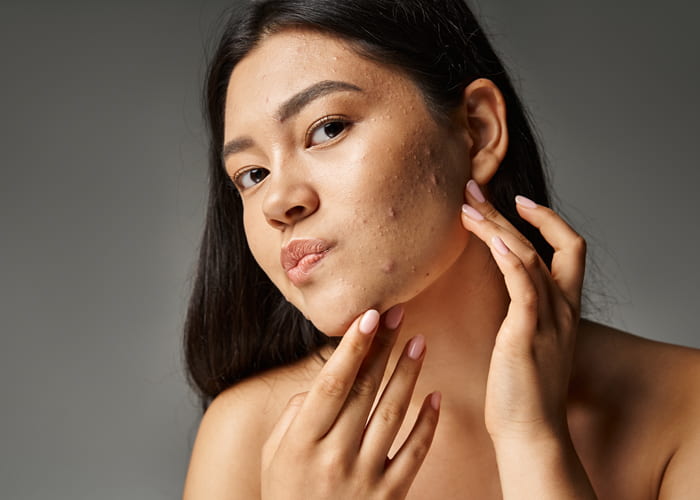
Now that you know which sunscreens are best for acne-prone skin, let’s talk about how to use sunscreen for acne-prone skin while keeping those annoying breakouts at bay.
1. Apply as the Last Step
Use sunscreen as the final step in your morning skincare routine. Apply it after using moisturizer for acne-prone skin. Layering sunscreen on top helps shield your skin from those pesky UV rays and ensures maximum protection.
2. Don’t Overdo It
While it might seem like applying a thick layer of sunscreen will give you extra protection, it can actually clog your pores and lead to breakouts. So, stick to a pea-sized amount for your face and apply it evenly. Remember, a little goes a long way!
3. Be Gentle
Dab sunscreen onto your skin and spread it softly. Do not rub it aggressively, as this can aggravate acne-prone skin and make breakouts worse. Keep it light and gentle for smoother, calmer skin!
4. Reapply Sunscreen Regularly
No sunscreen offers 100% protection all day, so it’s important to reapply every 2 hours, especially if you’re outdoors. This keeps your skin safe from UV damage and helps prevent breakouts.
Opt for lightweight, non-comedogenic sunscreen that’s easy to layer throughout the day, so your skin stays protected without feeling weighed down. Worried about ruining your makeup? Carry mineral sunscreen powder or sunscreen mist. These are perfect for touching up your sun protection on the go, while also helping control oil and shine.
5. Don’t Skip Sunscreen, Even on Cloudy Days

Your skin still needs protection, even when the sun is hiding! Did you know that up to 80% of UV radiation can still reach your skin on cloudy days? These super sneaky rays can cause dark spots and harm your skin over time.
And don’t assume you’re safe just because you’re indoors! Even through windows, UV rays can reach you. So, remember to apply sunscreen daily, whether you’re staying inside or stepping out for a minute.
7. Pair With a Cleanser
Sunscreen, especially the water-resistant types, can leave a residue on your skin that might clog pores if not properly removed. So, use a gentle, acne-friendly cleanser to ensure all traces of sunscreen are washed off at the end of the day. Keeping your skin clean helps to avoid breakouts. Plus, it also keeps your pores happy!
8. Be Consistent

Sunscreen only works if you use it daily, so make it a habit!
9. Patch Test
Before slathering sunscreen all over your face, it’s a smart idea to perform a patch test. It can save you from unwanted breakouts and assist you find the relevant formula for your skin type.
Just dab a little and try it on areas like your jawline or behind your ear. Wait for 24 hours. If you observe any kind of itching, redness, or breakouts, it might not be the right sunscreen for you. It’s a quick way to make sure your sunscreen won’t irritate your skin or cause acne.
Take Away!
If you have acne-prone skin, sunscreen isn’t optional – it’s a daily necessity! With the correct sunscreen, you can protect your skin from harmful UV rays, reduce pigmentation, and even help prevent acne flare-ups. So, don’t be afraid to slather on that sunscreen—it’s a crucial step in your skincare routine that will pay off in the long run.
By choosing the ideal sunscreen — one that’s non-comedogenic and oil-free — you can protect your skin while preventing unwanted breakouts. So, next time you reach for your sun protection cream, remember that it’s not your enemy—it’s your ally in both preventing acne and keeping your skin healthy.
Just remember, sunscreen isn’t just for sunny days — it’s a year-round commitment to happier skin. And with the right sunscreen, achieving that is easier than ever!
FAQs
1. What is acne-prone skin?
Acne-prone skin refers to skin that’s more likely to develop acne due to factors like clogged pores, excessive oil production, inflammation, and bacteria. You might see pimples, blackheads, or cysts popping up more frequently. Choosing the correct products and keeping your skin clean can help keep breakouts away!
2. Which sunscreen is best for acne-prone skin?
If you have acne-prone skin, go for sunscreens that are oil-free and non-comedogenic, meaning they won’t clog your pores. Mineral sunscreens with titanium dioxide or zinc oxide are also good options. Gel or water-based sunscreens work well since they’re lightweight and won’t leave you feeling greasy. Skip those with harsh chemicals or strong fragrances.
3. Can I skip sunscreen if I have acne?
No, you shouldn’t skip sunscreen, even if you have acne. Sunscreen shields your skin from damaging UV rays that can worsen acne scars and trigger irritation. Some sunscreens are specifically designed for acne-prone skin, so you can still protect your skin without worrying about breakouts. It’s an important step in any skincare routine, whether you have acne or not!
4. How to prevent breakouts from sunscreen?
To avoid breakouts from sunscreen, choose non-comedogenic, oil-free formulas designed for acne-sensitive skin. Go for mineral sunscreens with titanium dioxide or zinc oxide, as they tend to be gentler. Look for lightweight, gel-based, or water-based sunscreens that won’t clog pores. Always remove sunscreen at the end of the day with a mild cleanser to prevent buildup. Lastly, carry out patch tests for new products to make sure they don’t trigger breakouts.